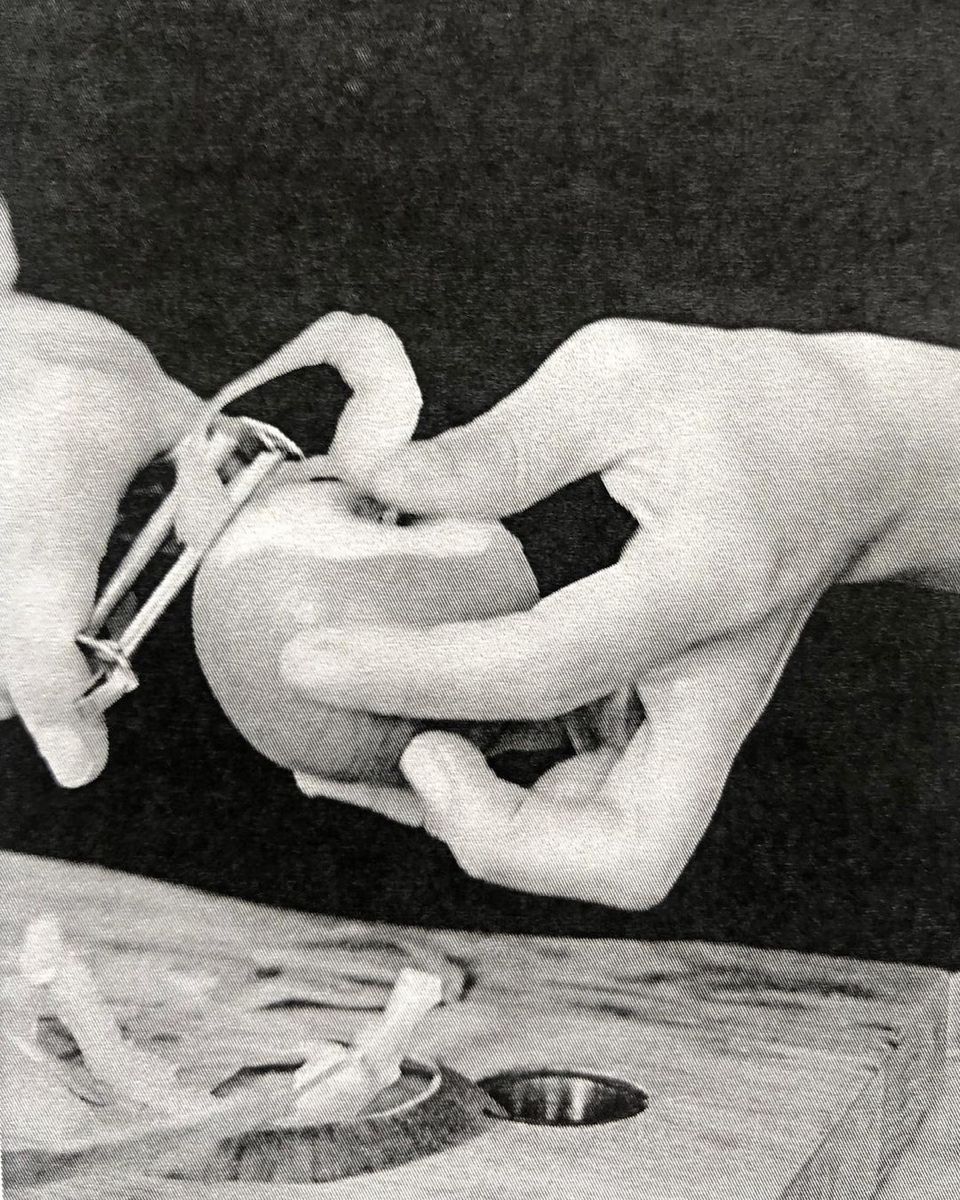
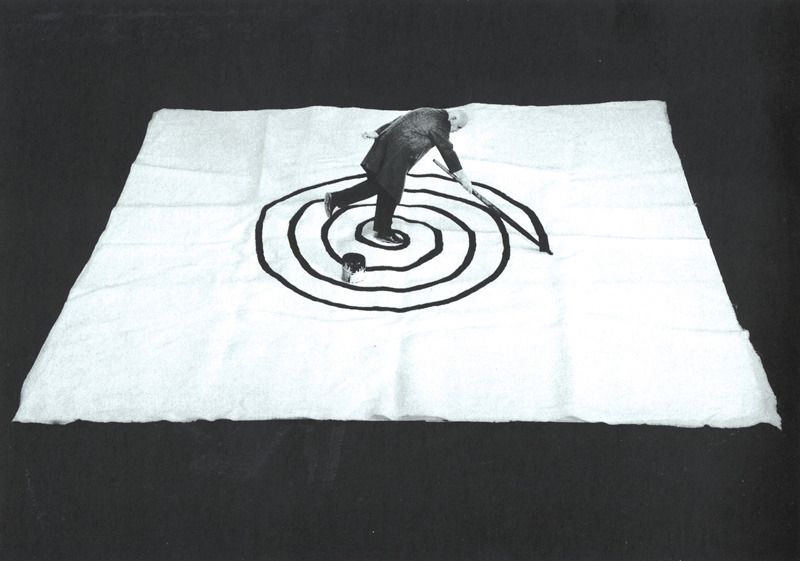
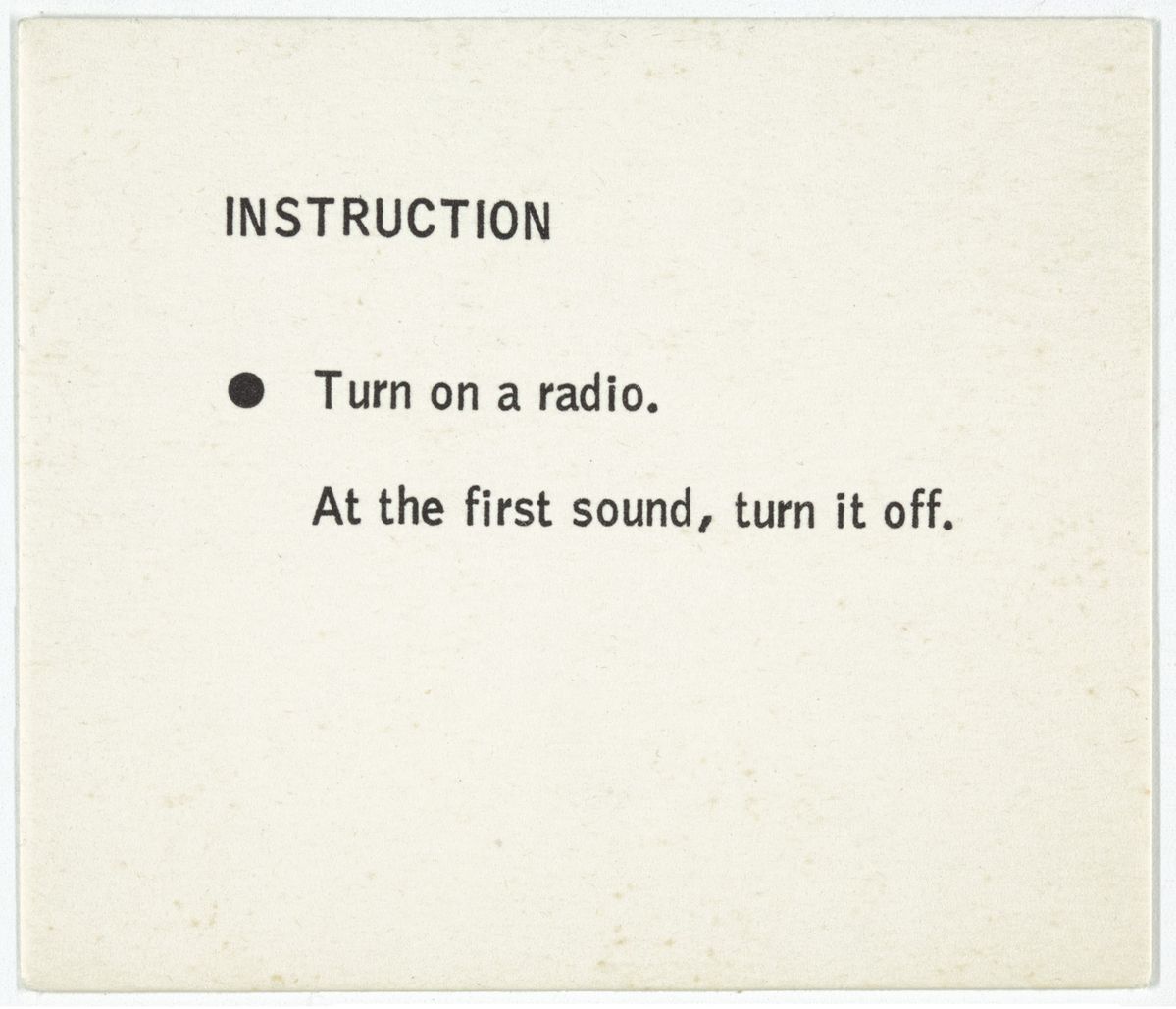
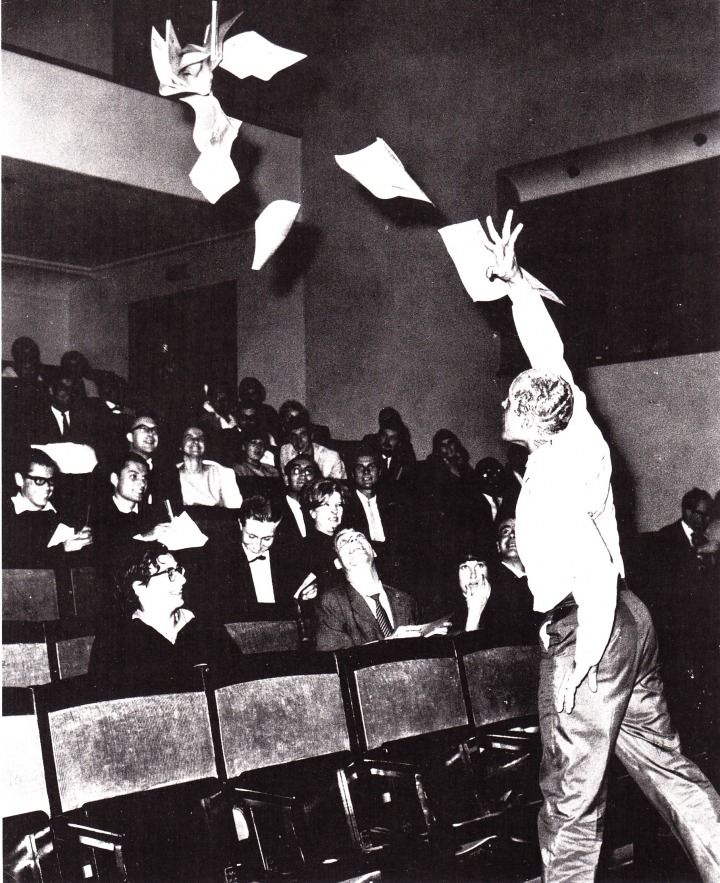
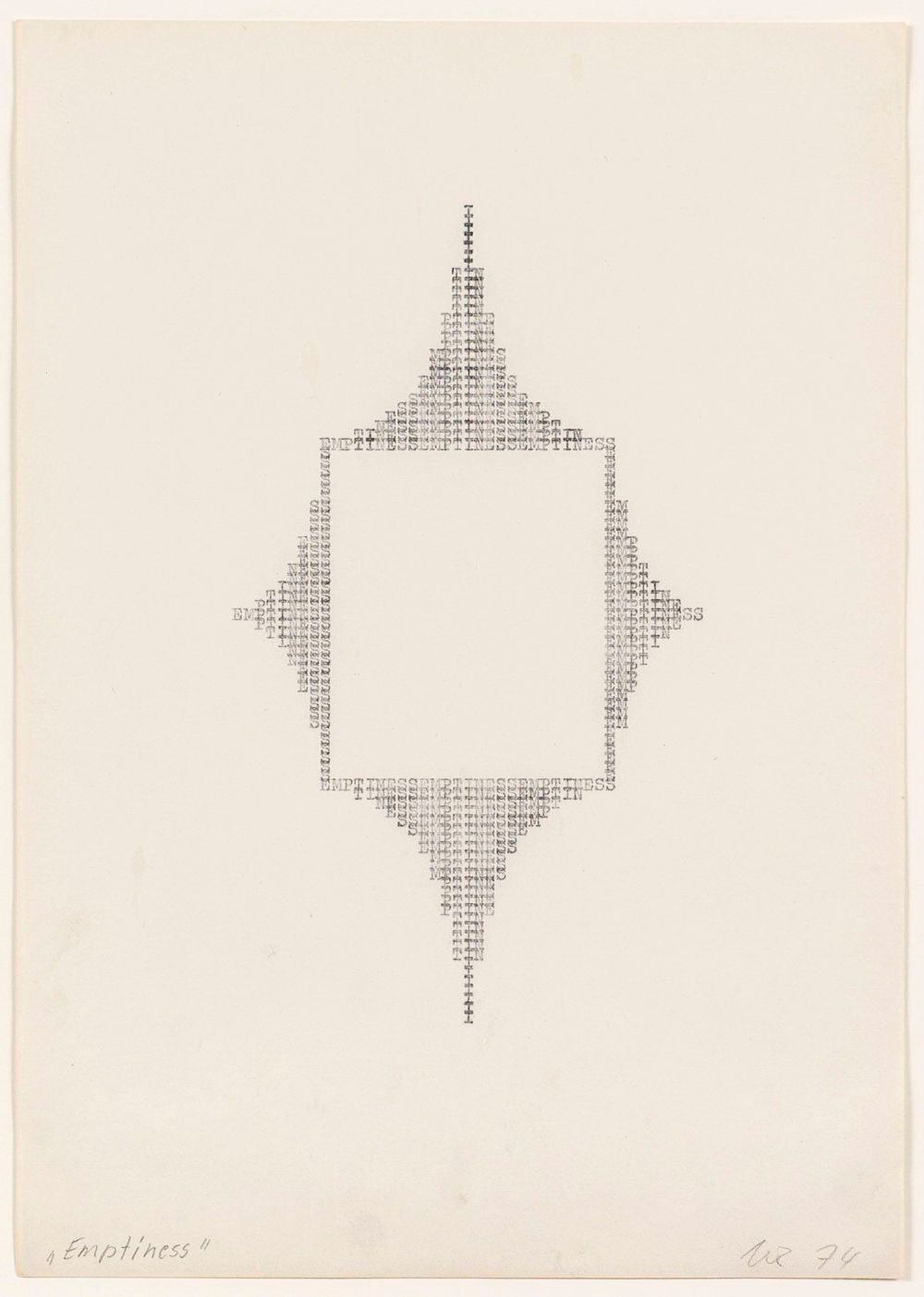
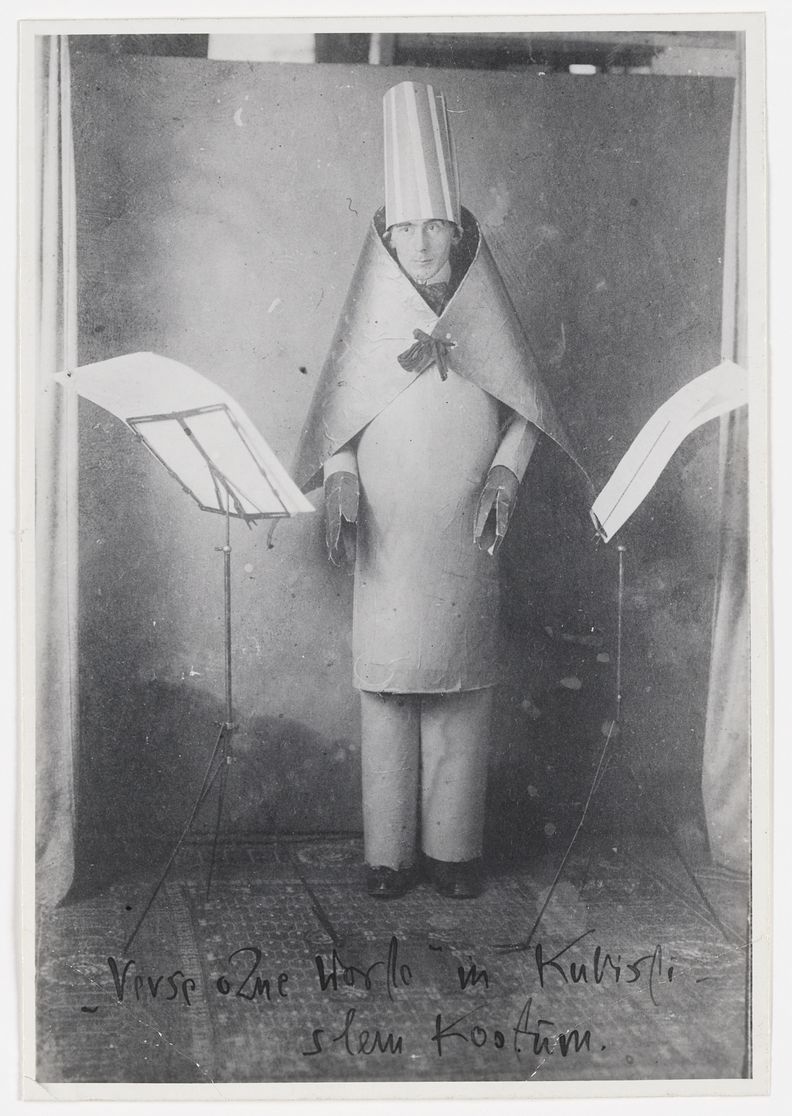
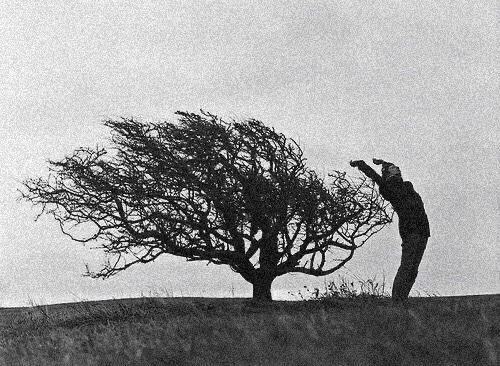
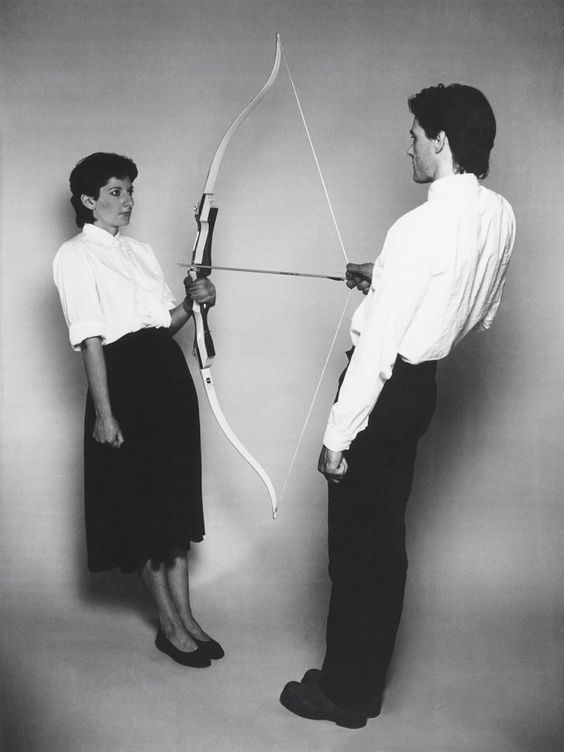
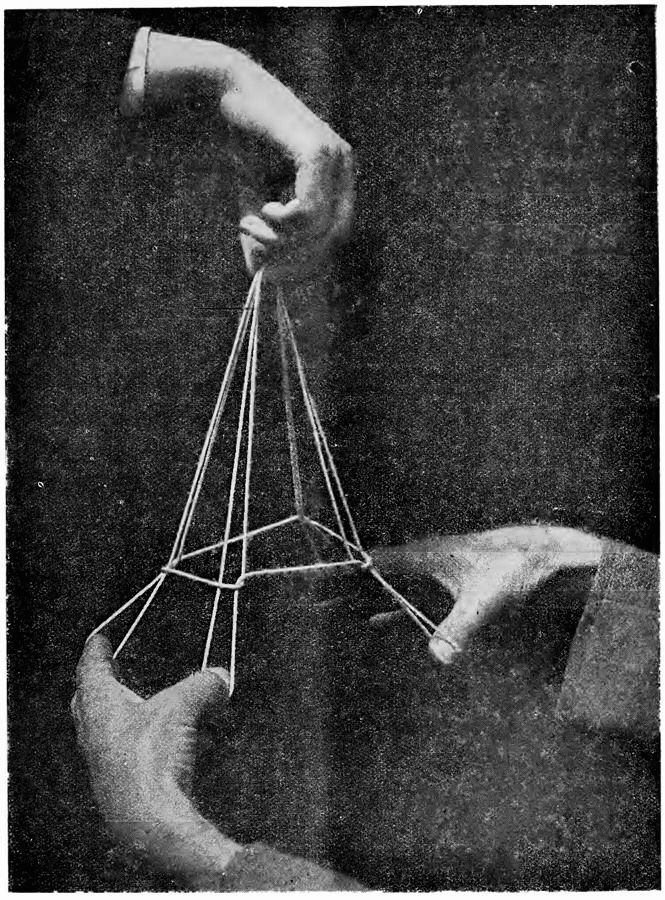
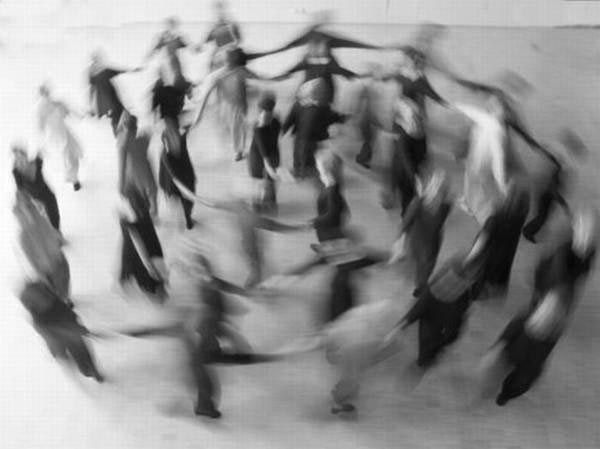
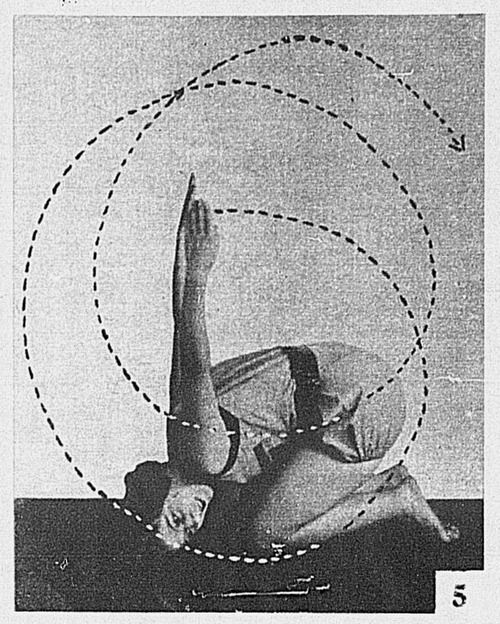
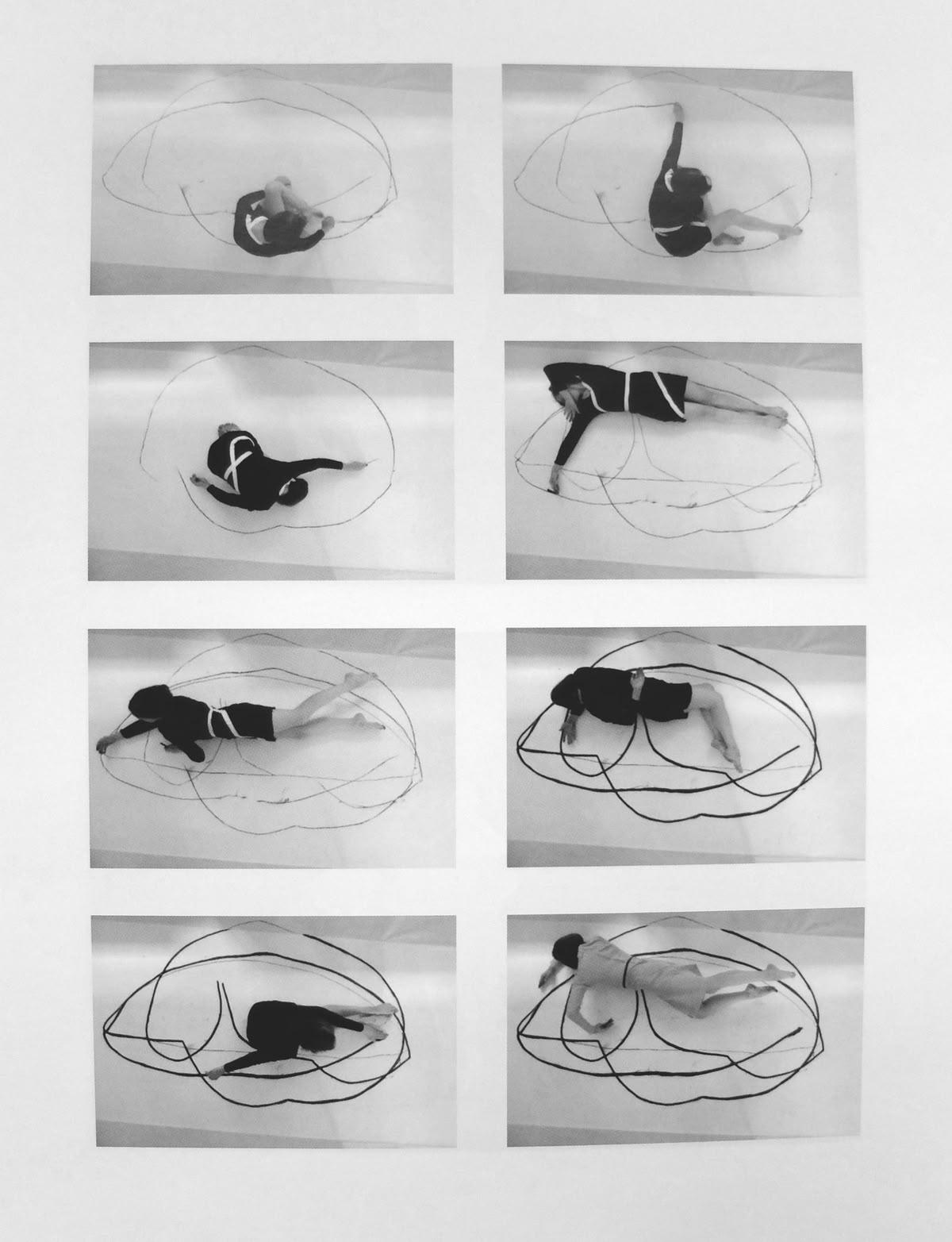
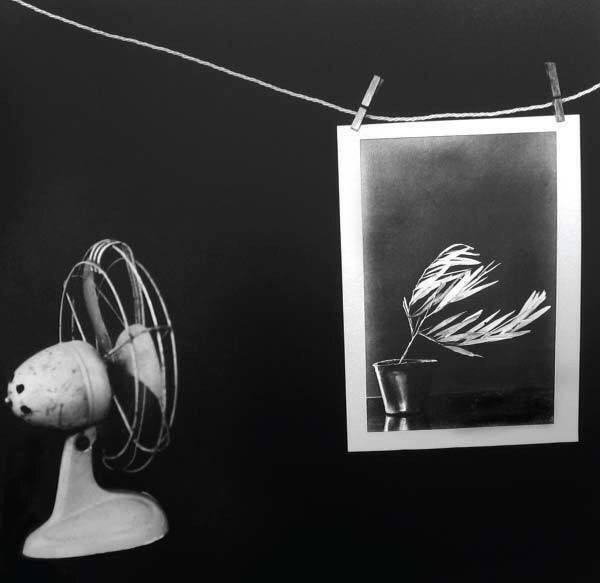
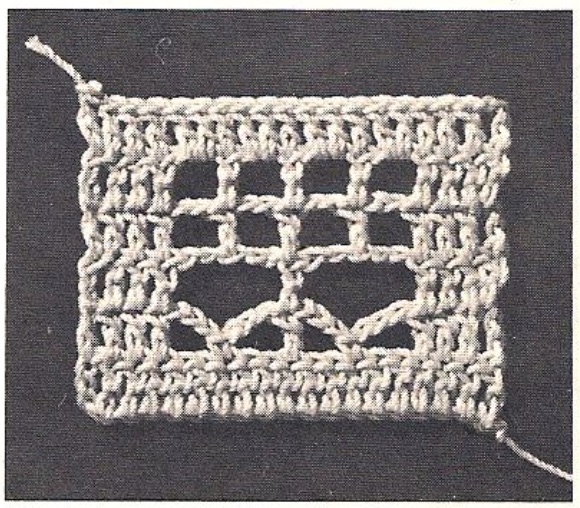
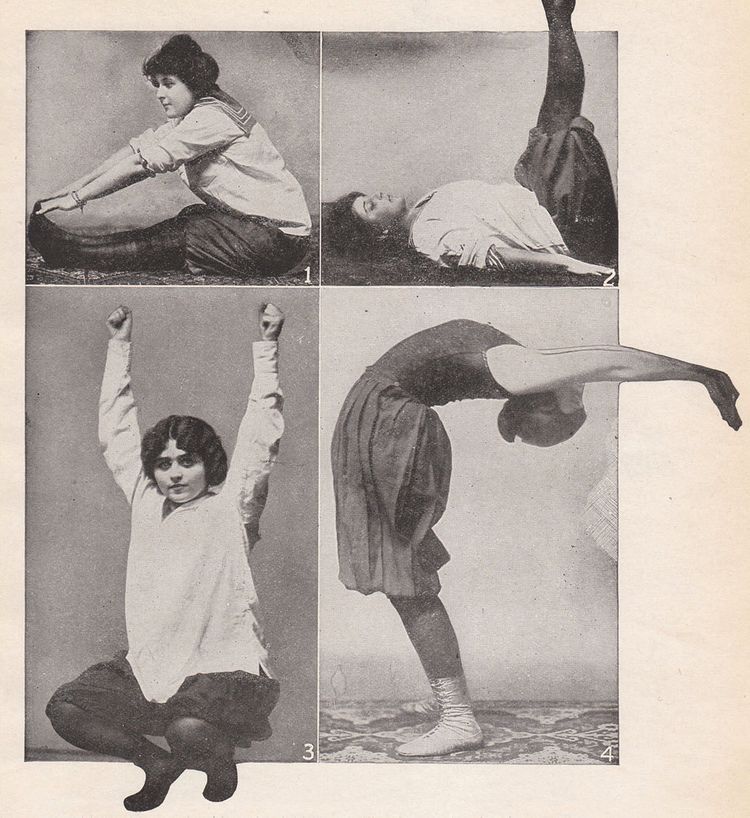
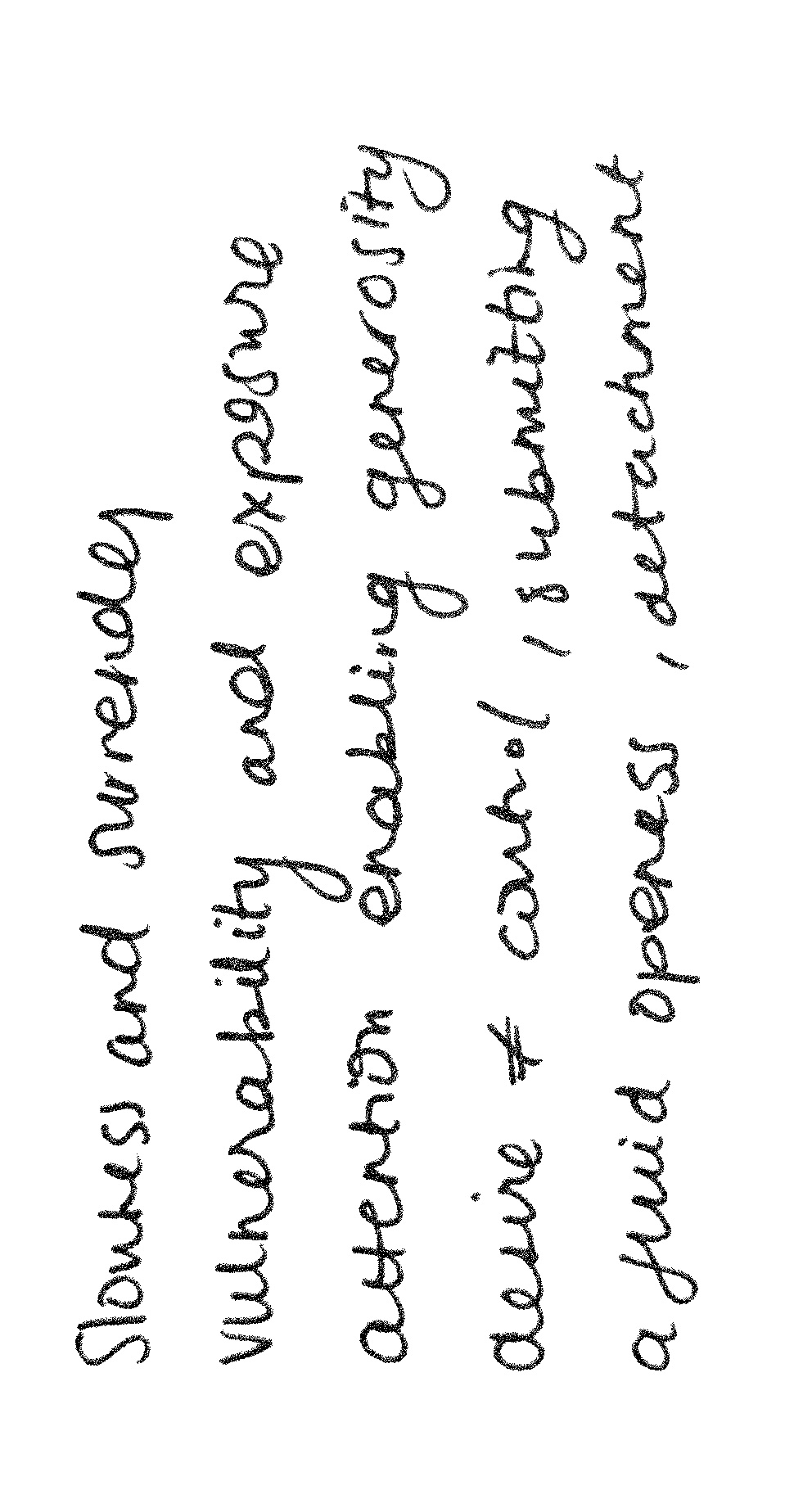
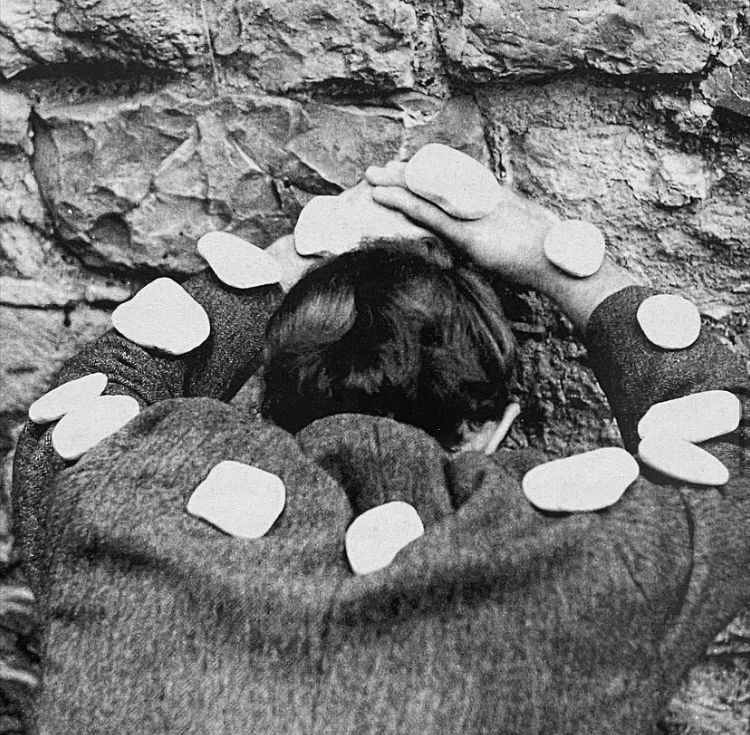
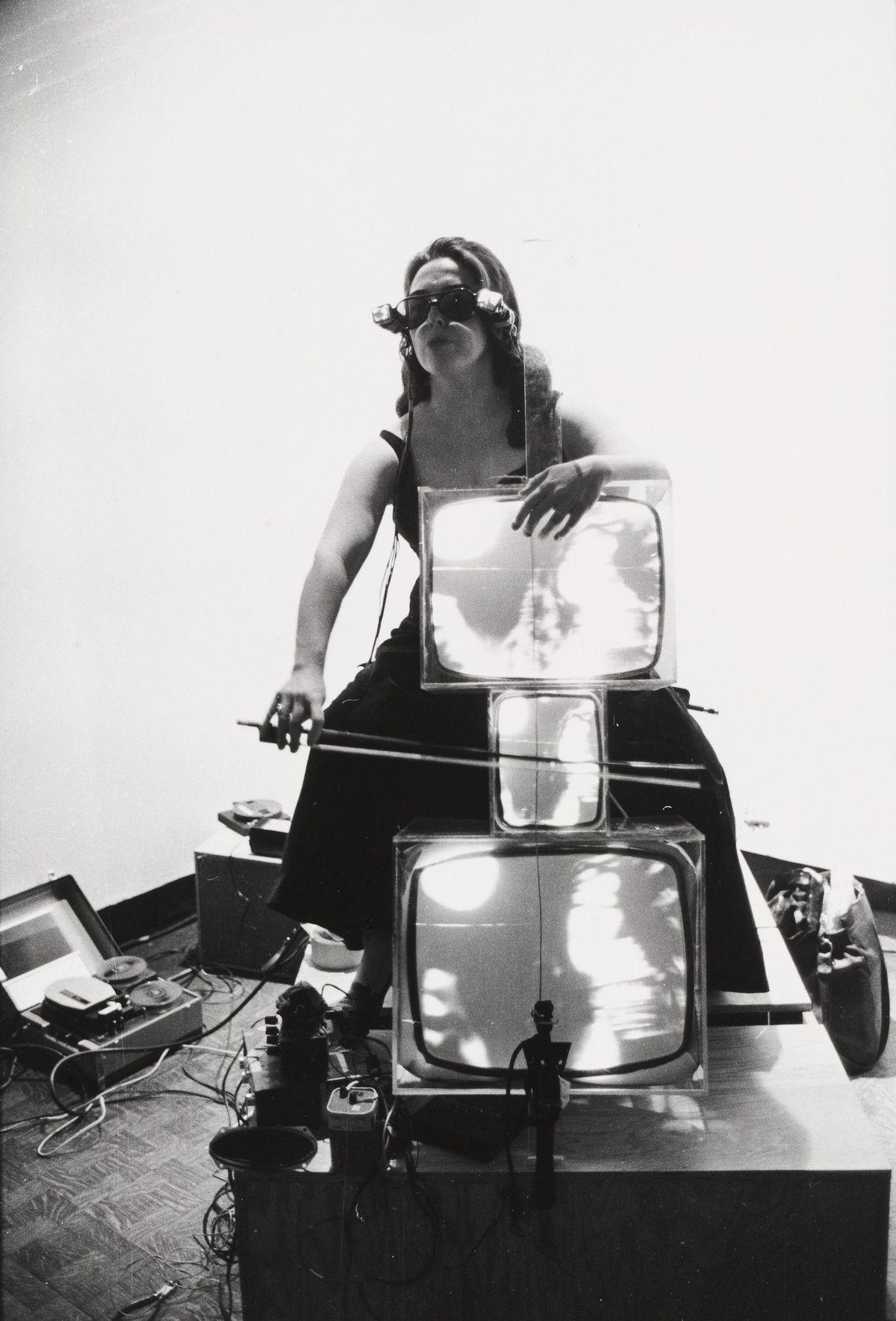
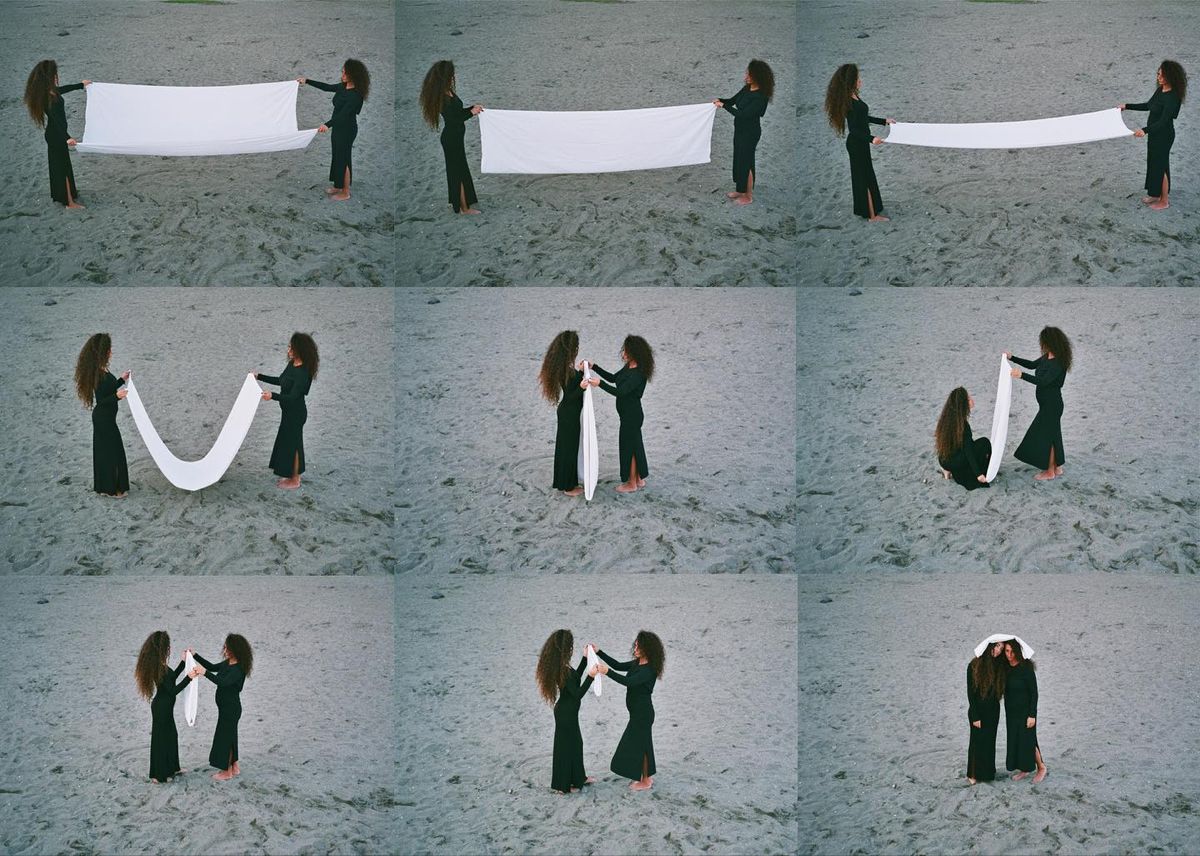
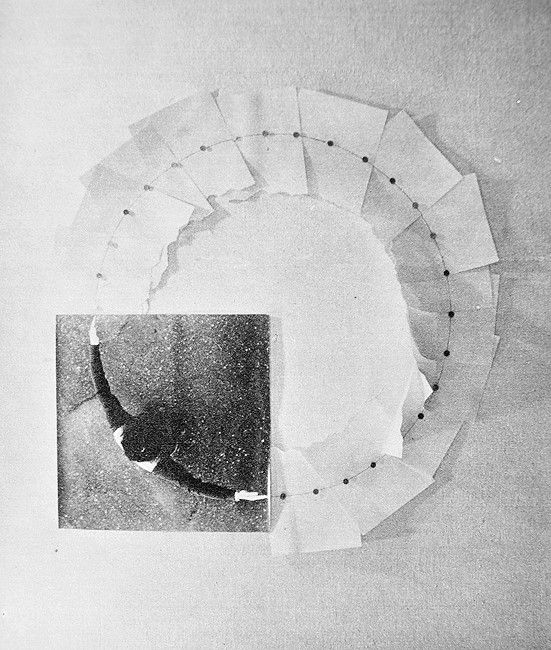
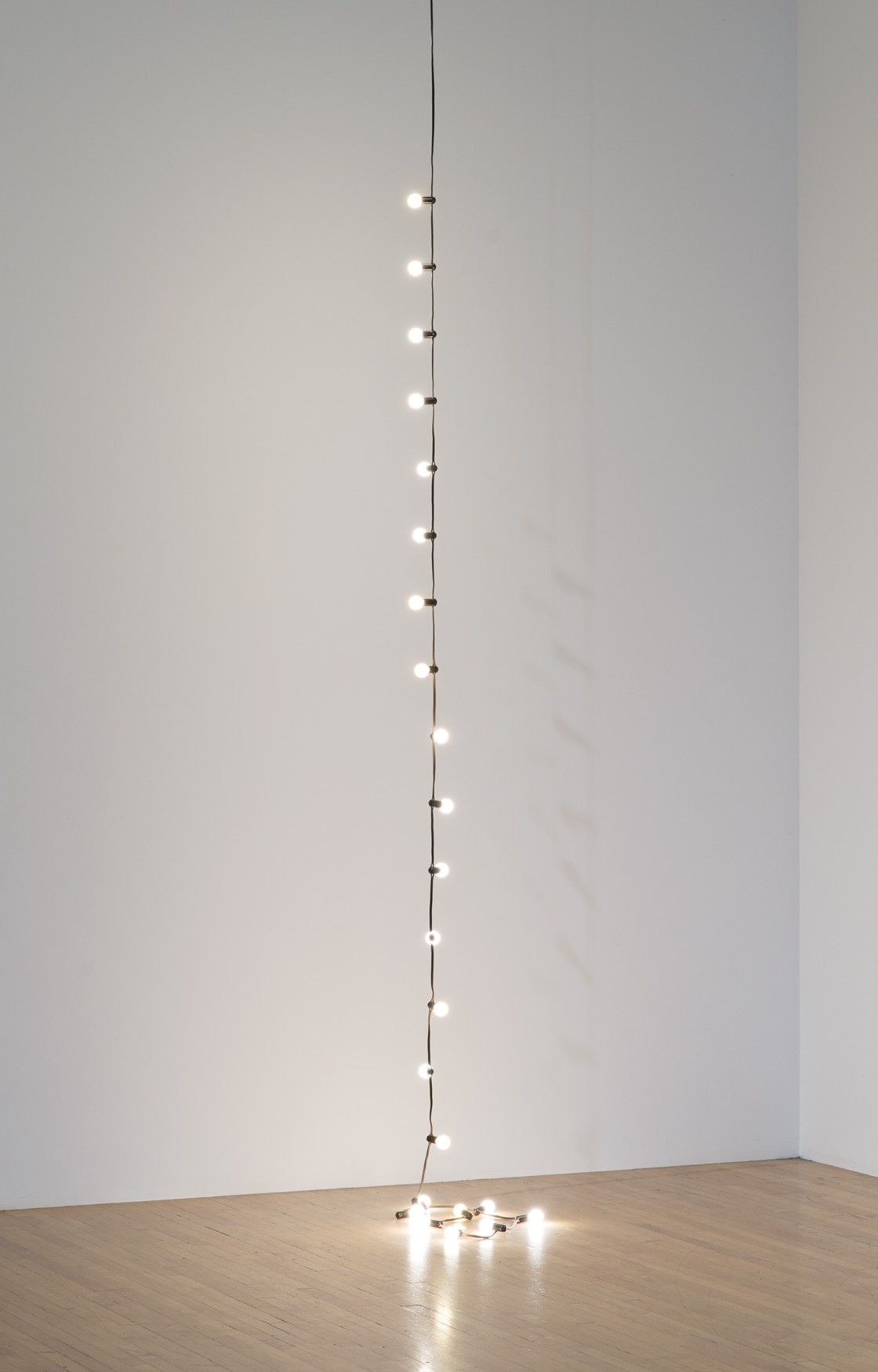
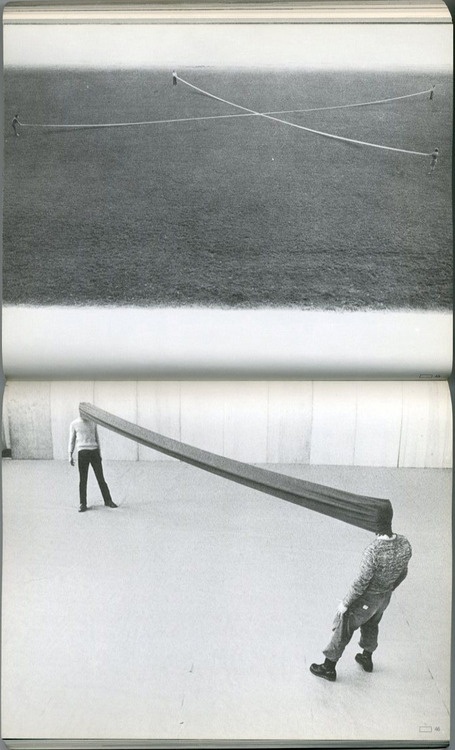
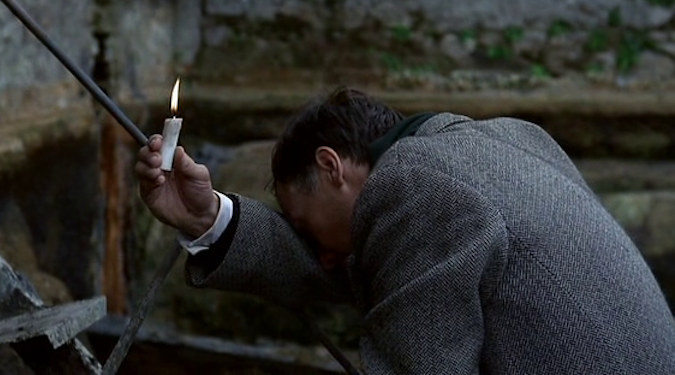
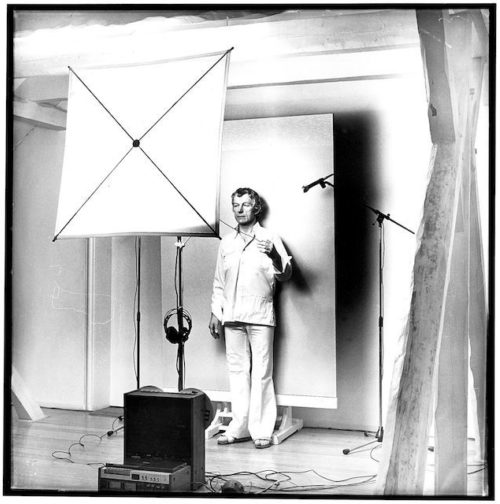
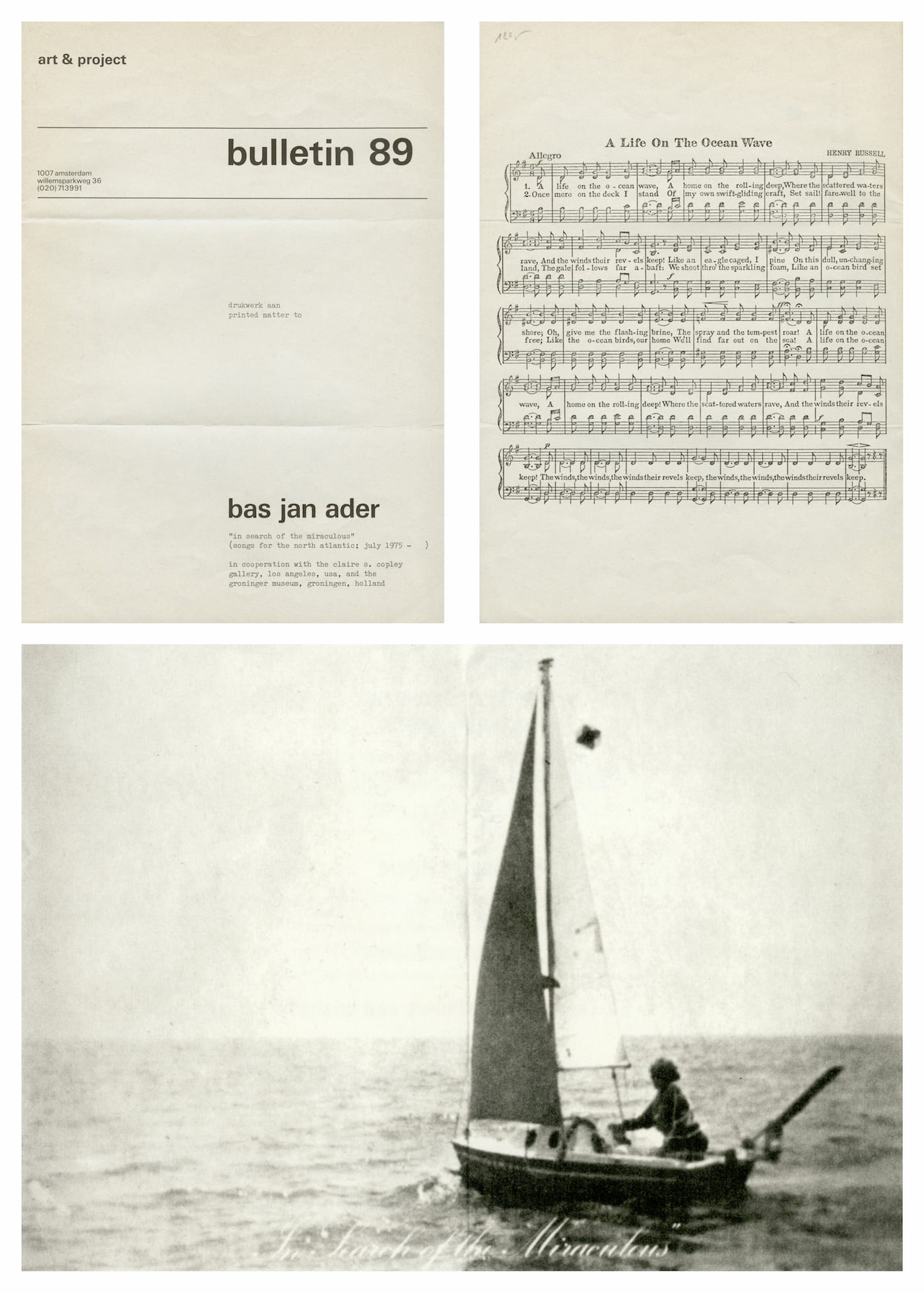
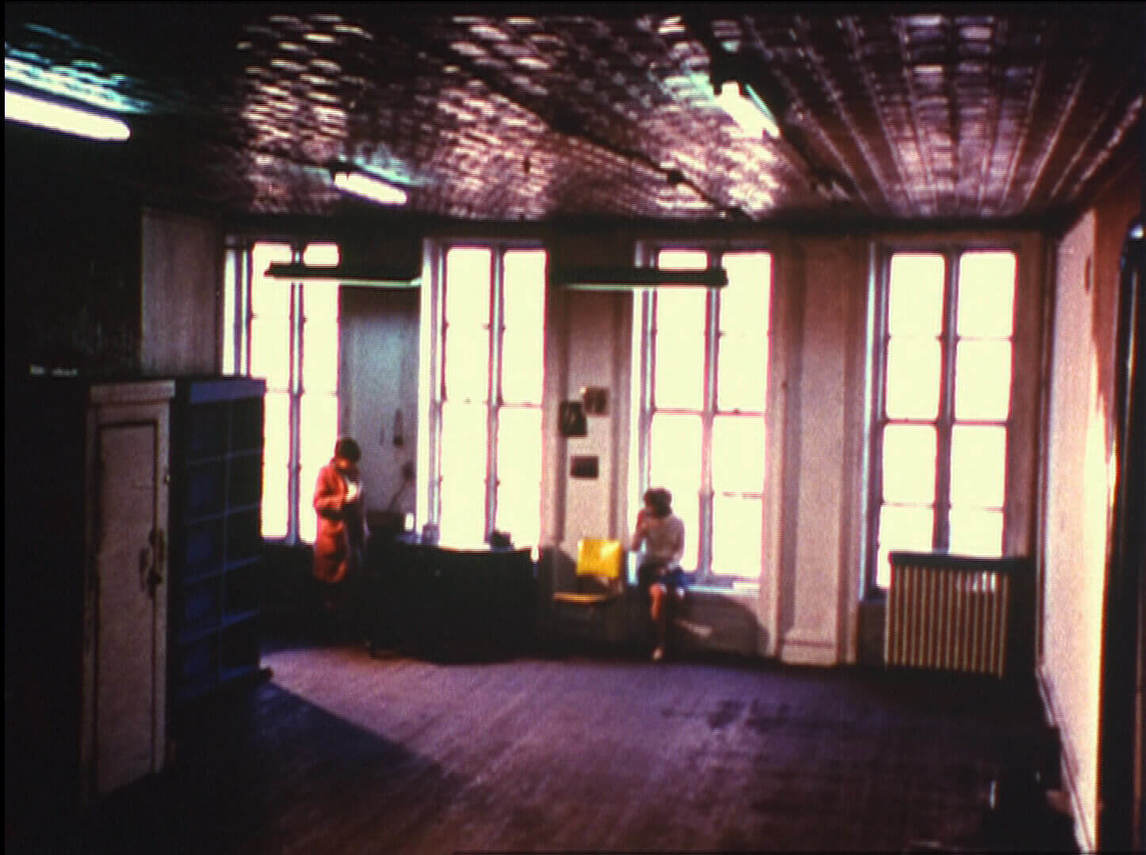
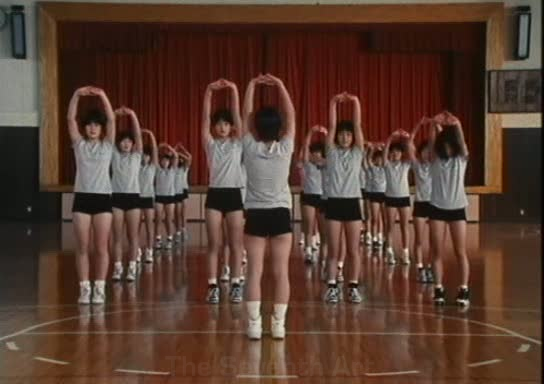
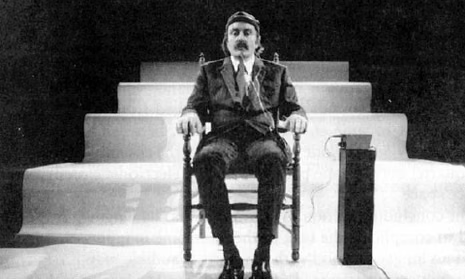
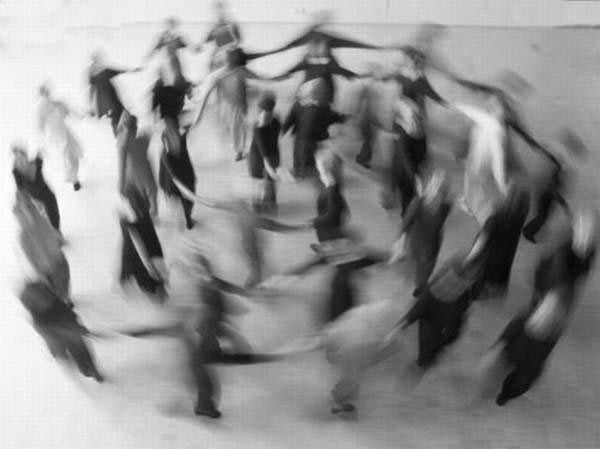
A Small Chain of Commitments is an evolving work in three registers: research archive, critical text, and score performance. Centring Simone Weil's concept of attention as our last true form of generosity, the project asks what solidarity looks like when collective practice moves at the pace the slowest body sets — a question about whose body gets to refuse the tempo imposed upon it. Assembling images from Fluxus scores, performance documentation, instructional plates, and film stills against a backdrop of hyperacceleration, algorithmic dominance, and the politics of speed, it constructs a visual argument about freedom, world-making, and the slow intelligence that lives in hands before it lives anywhere else.
A Small Chain of Commitments
Score for Two or More
I.
Find someone in the room you do not know. Stand at the distance you would normally keep. Close it by half. Wait until the discomfort becomes something else.
II.
Sit beside them. Match your breathing to theirs without telling them.
III.
Turn to face them. Do not prepare what you will say. When the silence arrives, let it last one breath longer than feels comfortable. That breath belongs to both of you.
IV.
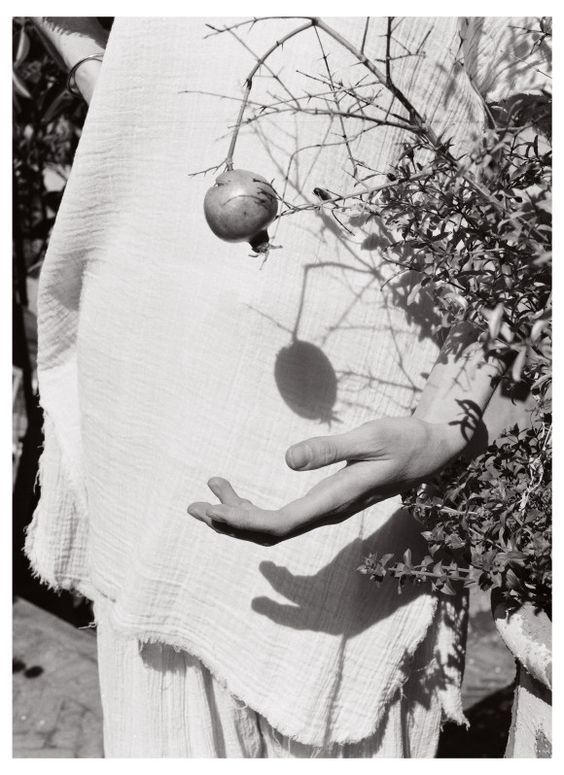
Place one hand on the surface between you, palm up. Do not ask them to take it. The score ends when they do, or when you withdraw it. Both endings are the same score.
The Tempo the Slowest Body Sets
by Maegan Beck
Not all bodies relate to speed in the same way. For some, slowness is a form of insulation — the product of buffers built into particular kinds of labour, particular arrangements of time and institutional shelter. For others, it has been imposed: the unrecognized pace of care work, of survival administration, of bureaucratic systems that move slowly on purpose when the body waiting cannot afford to wait. A Small Chain of Commitments begins with this asymmetry — not slowness as a universal good, but as a question about whose body gets to refuse the tempo set for it, and ultimately, what that costs. Assembling images from Fluxus event scores, performance documentation, instructional plates and film stills against the backdrop of hyperacceleration, algorithmic compression and the politics of productive time, the project constructs a visual argument about freedom, world-making and the slow intelligence that lives in hands before it lives anywhere else.
The score is a form that opens conditions rather than closes them. It trusts the performer to arrive somewhere the composer could not anticipate. This essay works that way: a set of propositions about solidarity, about pace, about what collective practice looks like when it takes seriously the fact that bodies are not equally positioned within the systems that demand speed. What does it mean to move together — not at the speed of the most efficient, but at the tempo the slowest body sets?
Attention as Ethical Practice
Simone Weil wrote that attention is the rarest and purest form of generosity — a formulation that has been taken up extensively in philosophical, theological and aesthetic discourse, yet whose radical implications remain insufficiently explored. For Weil, attention is not cognitive focus or instrumental concentration directed toward a task; it is, rather, a form of decreation: the withdrawal of the ego so that the other — the suffering body, the unheard voice, the overlooked gesture — might appear on its own terms. Attention, in this register, requires the self to empty itself, to resist the impulse to fill silence with interpretation, to refuse the habitual speed at which the mind reaches for mastery over what it encounters.
Simon Critchley, in The Faith of the Faithless (Verso, 2012), secularizes Weil's framework, repositioning attention as the foundational act of ethical experience. Drawing on Levinas and Blanchot, Critchley argues that the ethical subject is constituted not through sovereignty or autonomy but through a radical passivity — a receptivity to demands that the self did not generate and cannot fully meet. In his essay "Ecstasy & Idiot Glee," published in Kismet Magazine, Critchley extends this argument into the domain of the everyday, diagnosing a condition he calls "leaden time": the heaviness produced by information saturation, the relentless pressure of reality's constant mediation. Against this leaden compression, Critchley advocates for what he terms radical attention — a practice requiring only discipline and patience, available to anyone willing to slow down long enough to see what is already there. Mysticism, in Critchley's reading, is not otherworldly metaphysics; it is experience in its most intense and unmediated form, cultivated through sustained, deliberate encounter with the present.
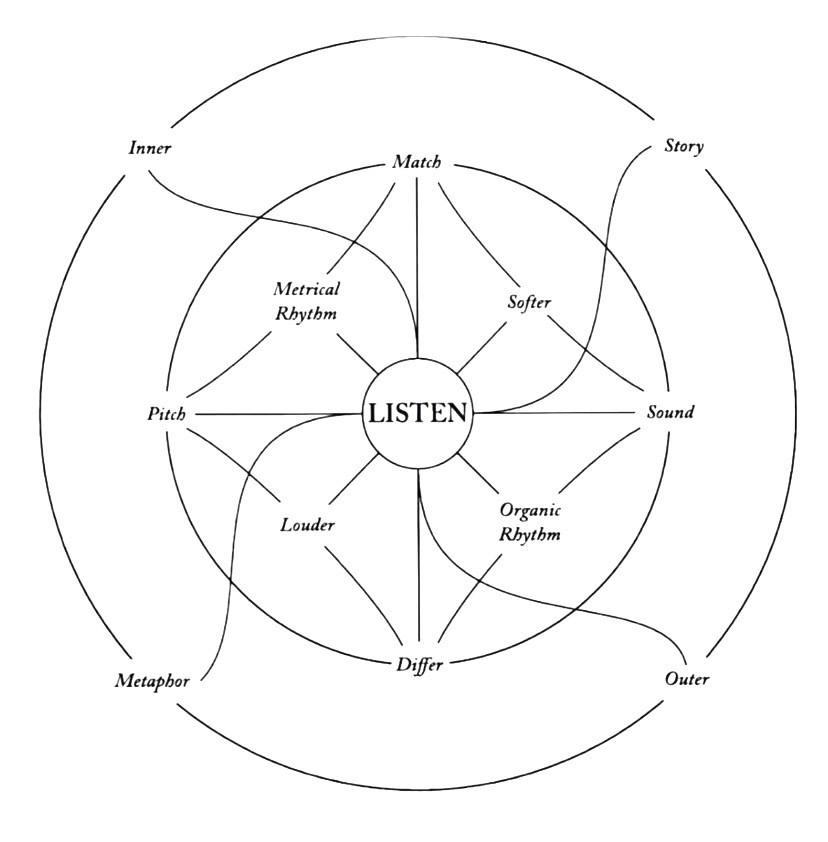
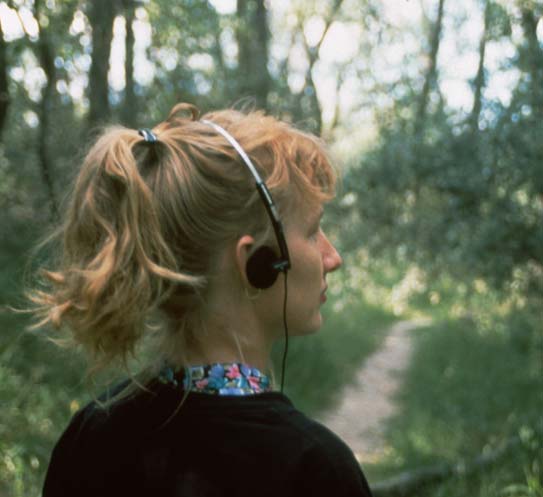
Pauline Oliveros understood this intuitively, and practiced it bodily. Her concept of Deep Listening — developed through decades of compositional and pedagogical work, and articulated most fully in Deep Listening: A Composer's Sound Practice (iUniverse, 2005) — distinguishes between hearing, which is the passive physiological reception of sound, and listening, which is the active, willful practice of attending to sound across multiple registers simultaneously. Oliveros theorized two modes of attention: focal attention, which is narrowly directed and analytical, and global attention, which is diffuse, receptive and encompassing. Deep Listening cultivates the capacity to hold both simultaneously — a practice that cannot be optimized, accelerated or delegated to algorithmic mediation. Her Sonic Meditations (1974), a series of text scores designed for collective practice, require no instruments and no musical expertise. They ask only for the shared agreement to listen — to the room, to the body, to each other. The score, in Oliveros's hands, becomes a framework for creating what might be called an attentional commons: a non-hierarchical space of shared receptivity in which solidarity is practiced before it is named.
James Benning's 13 Lakes (2004) operates within this same temporal ethics. Thirteen takes, thirteen minutes each — each one a lake held still for the duration. Nothing is asked of the viewer except to remain, to watch light shift on water at the speed it actually moves. Benning's duration is not endurance but calibration: the film runs at the tempo of the world rather than the tempo of narrative, and the solidarity it proposes is between viewer and landscape — the agreement to share time without demanding that it perform. Michael Snow's Wavelength (1967) presses this further, compressing forty-five minutes into a single zoom across a loft. The viewer must decide, continuously and without relief, whether to stay. Freedom here belongs to the viewer alone — to remain is a choice renewed each moment, and what the film constructs is not narrative but the architecture of sustained attention: a future that arrives only if you do not leave.
The Score as Ethical Form
Critchley argues, in Infinitely Demanding: Ethics of Commitment, Politics of Resistance (Verso, 2007), that ethical experience begins with a demand — from the other, from a situation of injustice, from the weight of what one encounters — that the subject cannot fully meet. The ethical subject is constituted by this gap between the demand and the capacity to fulfill it, producing not paralysis but what Critchley calls ethical commitment: an ongoing, never-completed responsiveness to what exceeds the self's resources. The score functions analogously. It asks for total attention, which is never achievable; it opens a duration that the performer must inhabit without knowing its shape in advance; it trusts, radically, that the response will be adequate even though it cannot be.
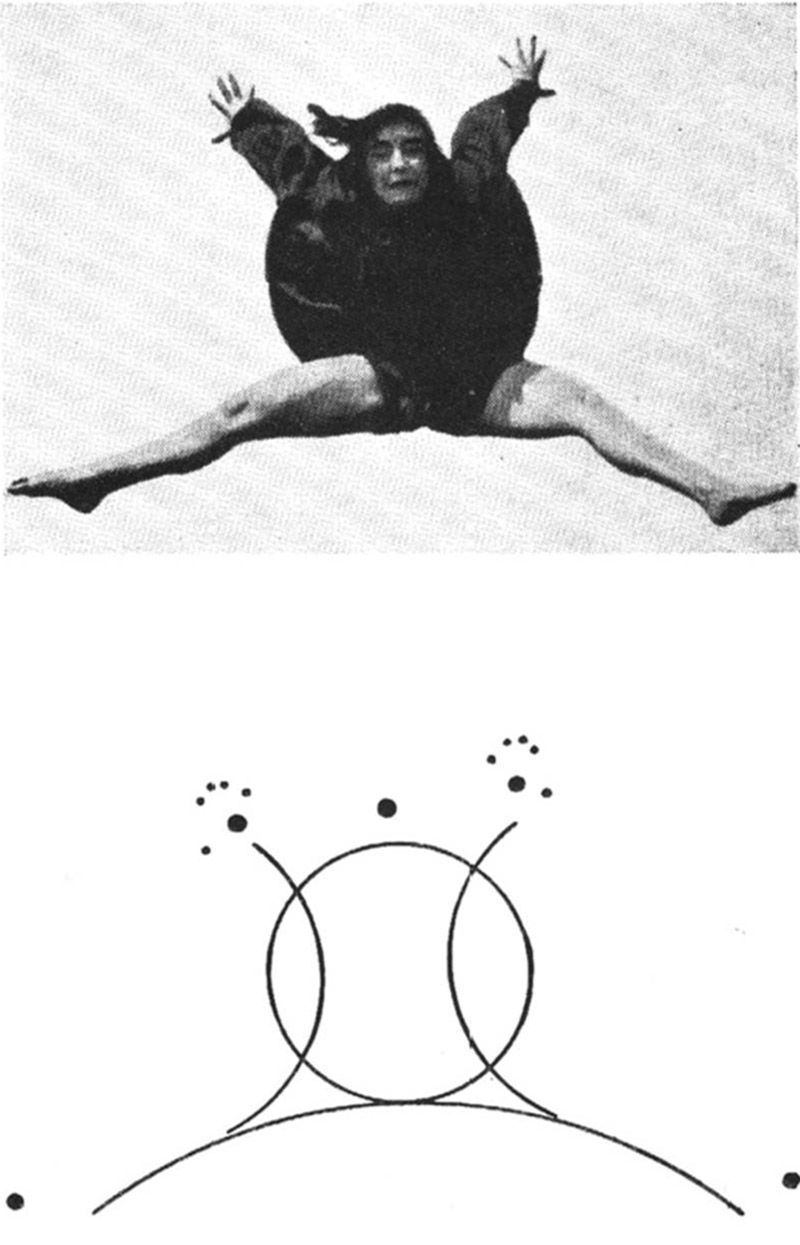
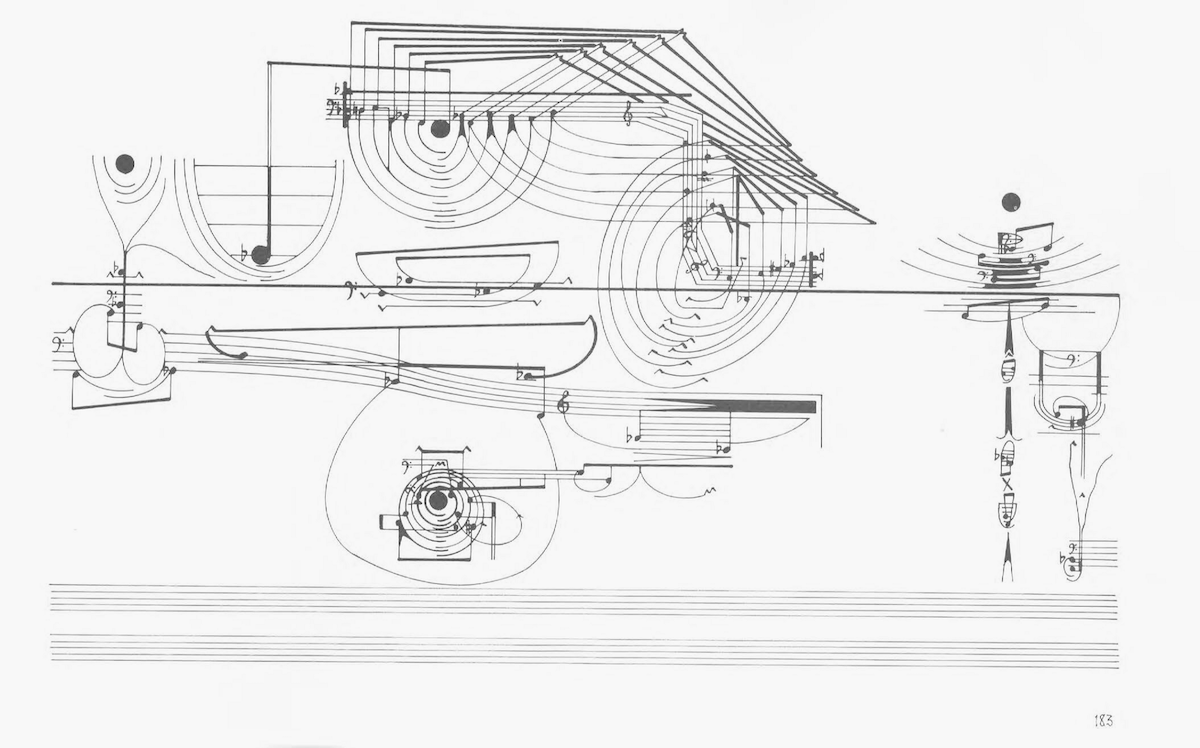
Cornelius Cardew's Treatise (1963–67) — a graphic score of extraordinary visual density that refuses to instruct — exemplifies this demand. The performer must decide what each shape means before a single note is played. Cardew's composition is a document of radical trust: the composer relinquishes control entirely, and the musician must attend to the page as a field of possibility rather than a set of commands. Freedom here is the burden of interpretation, and the future of the piece lives only in the solidarity between score and performer — a solidarity that cannot be guaranteed in advance and must be sustained through the duration of its enactment.
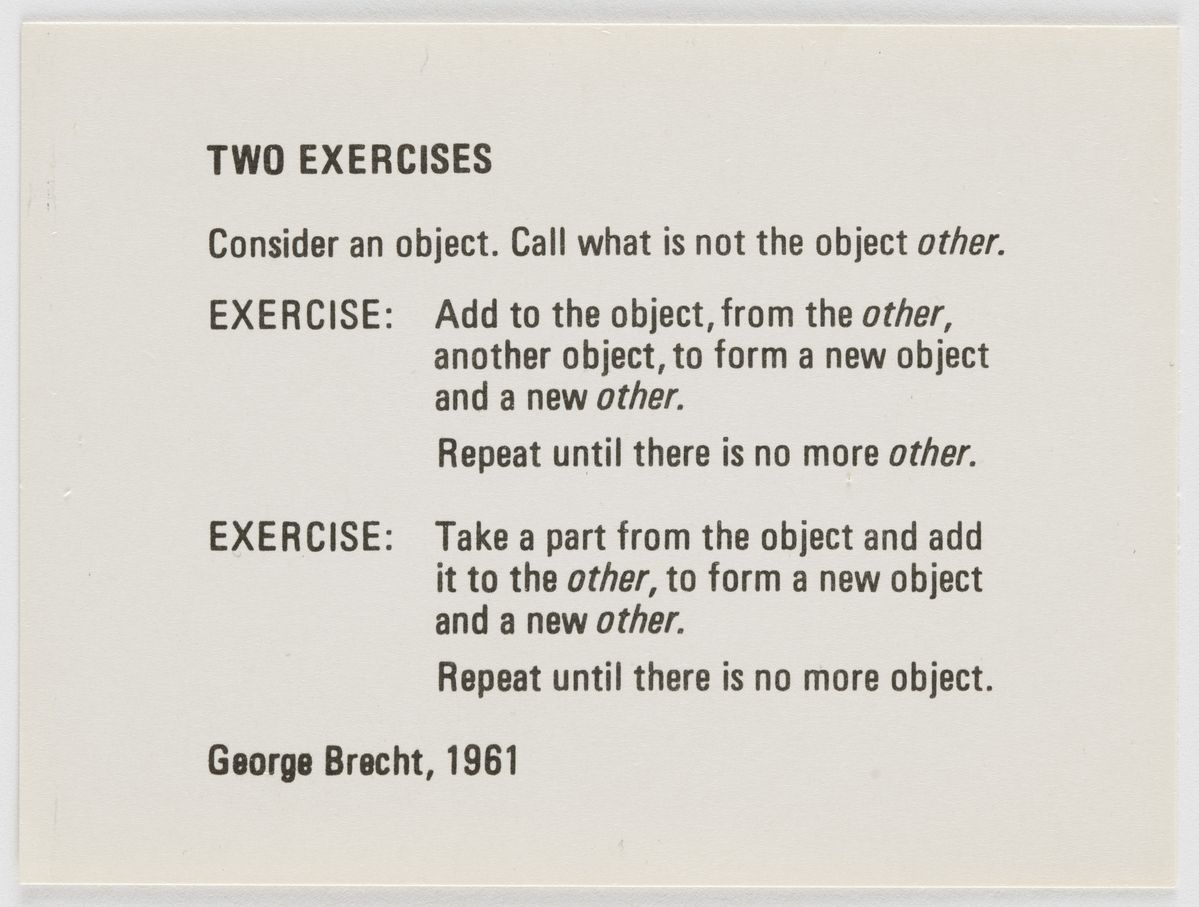
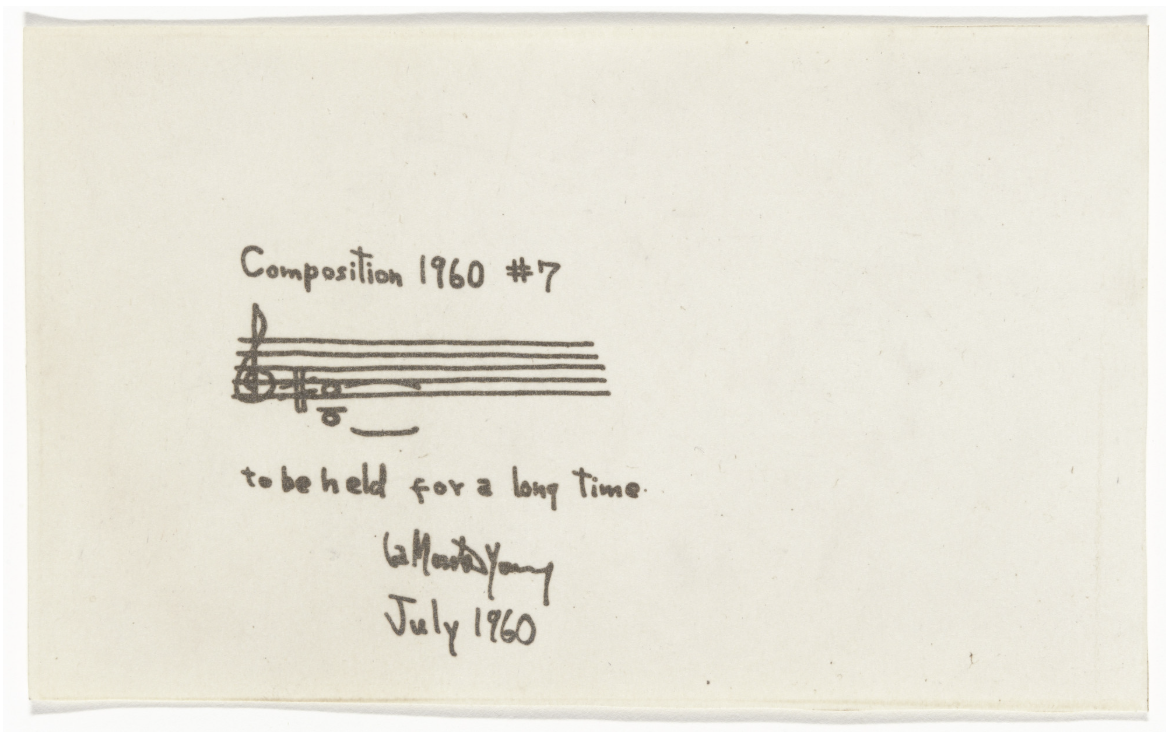
George Brecht's event scores, by contrast, compress the demand into a single gesture. Two Exercises (1961) instructs the performer to add to the object from the other, repeating until there is no more other — a score for solidarity articulated as the slow dissolution of the boundary between self and world. La Monte Young's Composition 1960 #4 opens a duration and surrenders it entirely. The score does not direct — it clears. What remains is the audience's own attention, returned to them as material. In each case, the score is not a blueprint for a fixed product but a set of conditions under which something — attention, solidarity, collective presence — might emerge at the pace the participants set for themselves.
Compulsory Tempo and the Crip Critique
The question of whose body sets the tempo is, unavoidably, a question about power, access and the enforcement of normative pace. Robert McRuer, in Crip Theory: Cultural Signs of Queerness and Disability (NYU Press, 2006), introduces the concept of compulsory able-bodiedness — a framework paralleling Adrienne Rich's compulsory heterosexuality — arguing that able-bodiedness is not a neutral condition but an enforced norm that produces disability as its constitutive outside. Normative tempo, the pace at which bodies are expected to move, work, produce and respond, functions as one mechanism through which this compulsion operates. Those who cannot keep up are marked as deficient rather than the pace itself being interrogated as exclusionary, arbitrary and politically constructed.
Ellen Samuels, in "Six Ways of Looking at Crip Time" (Disability Studies Quarterly, 2017), theorizes crip time not as accommodation — not merely as extra minutes on a test or extended deadlines — but as a fundamentally different relationship to duration, unpredictability and the body's refusal to cooperate with schedules. Crip time is broken time, sick time, grief time — time felt in the body before it is measured by the clock. Margaret Price, in Mad at School (University of Michigan Press, 2011), extends this critique to what she calls "kairotic spaces": the high-stakes, real-time encounters of seminars, performances and institutional gatherings that systematically exclude bodies whose pace, processing or modes of presence do not conform to the expected tempo. The question is not whether these bodies can participate, but whether the structures of participation were ever designed with them in mind.
Alison Kafer, in Feminist, Queer, Crip (Indiana University Press, 2013), argues that crip time demands a reorientation not only of schedule but of futurity itself — asking who gets to imagine a future, and on what temporal terms. Leah Lakshmi Piepzna-Samarasinha, in Care Work: Dreaming Disability Justice (Arsenal Pulp Press, 2018), grounds this theoretical framework in lived practice, documenting how activist movements that demand everyone march, show up and maintain pace replicate the very ableist norms they claim to resist. Slowness, within this framework, becomes not a deficiency but a form of solidarity — the collective refusal to leave behind the body that cannot keep up, and the recognition that pace itself is a site of political negotiation rather than individual compliance.
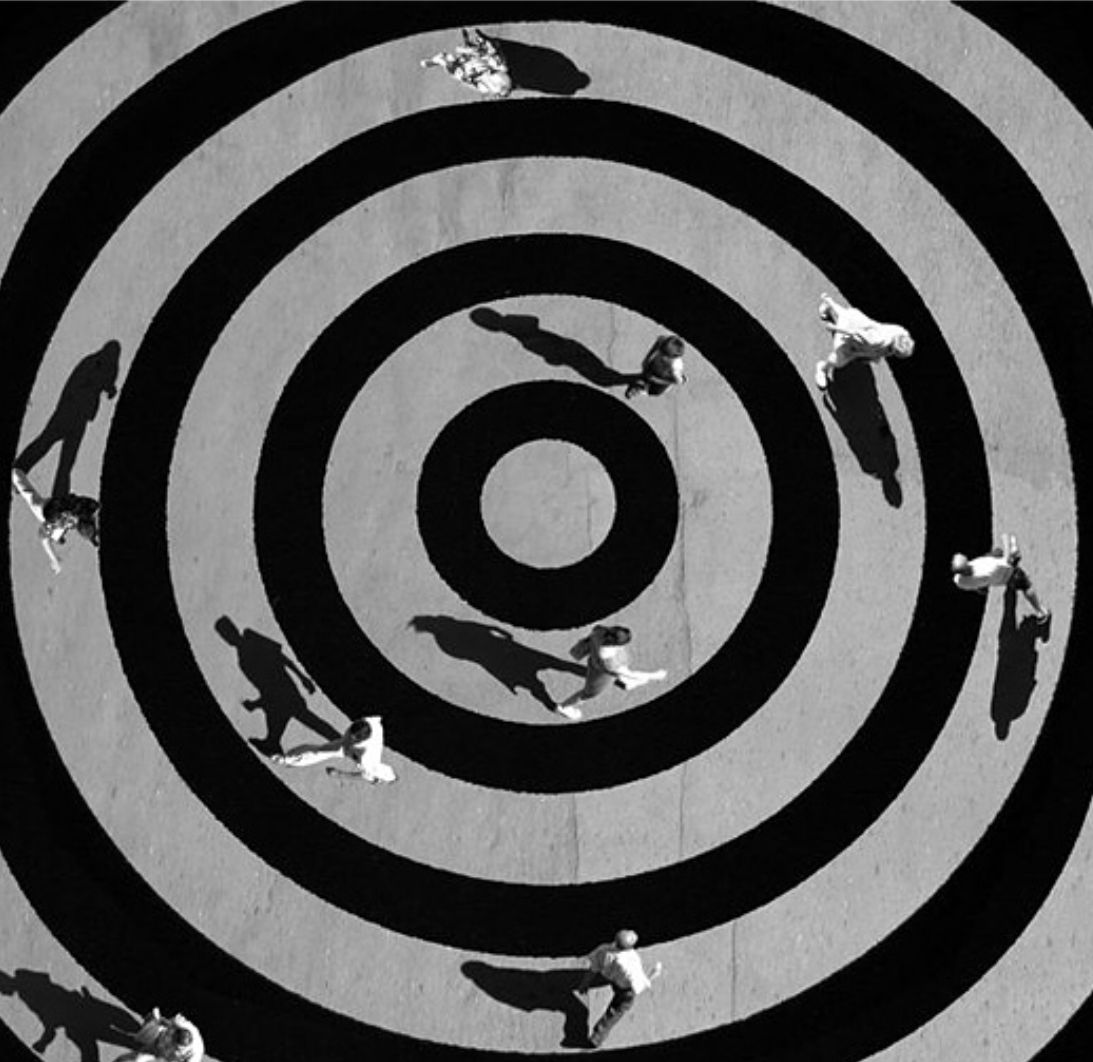
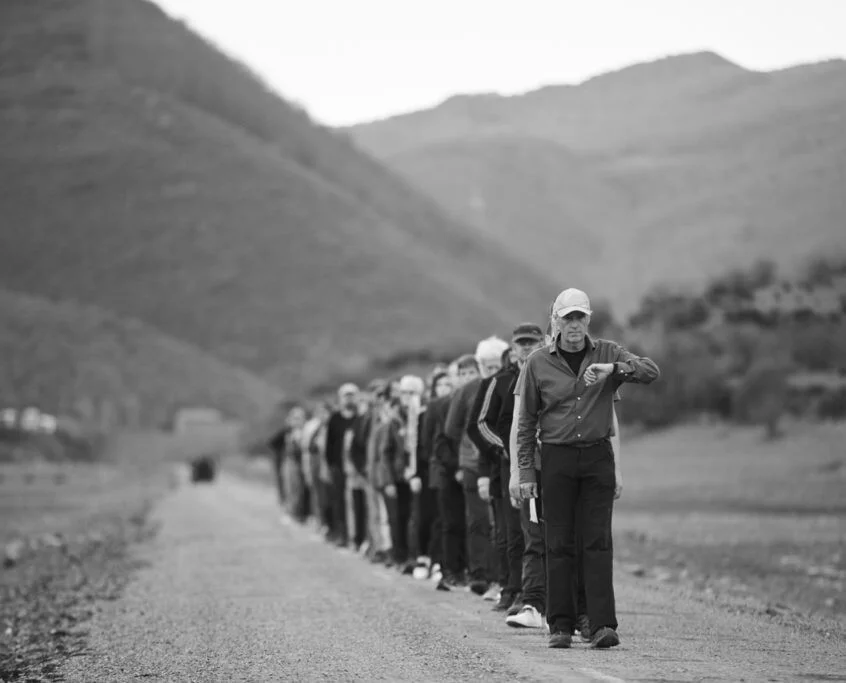
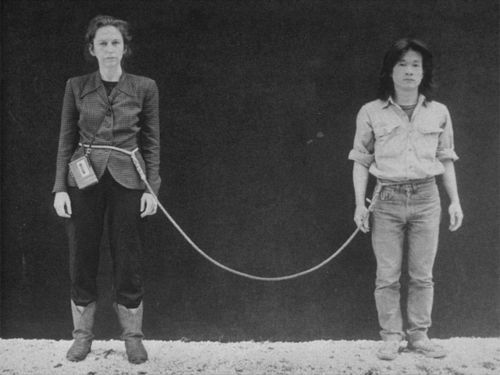
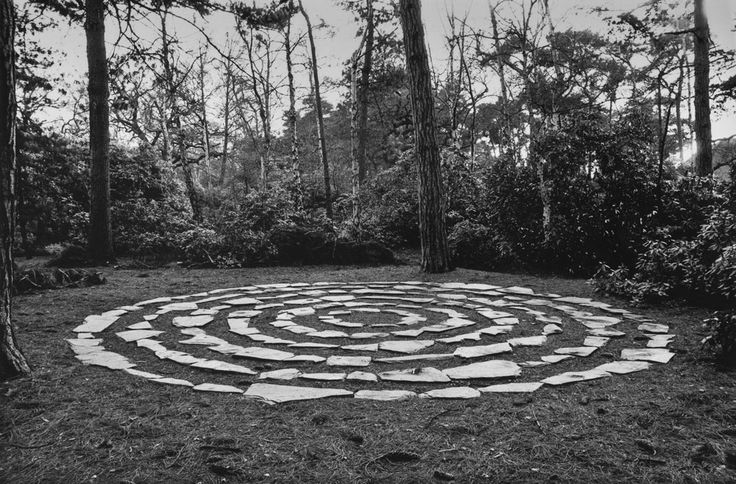
Tehching Hsieh and Linda Montano's Art/Life One Year Performance (Rope Piece) (1983–84) enacts this negotiation at its most literal. Bound by an eight-foot rope for one year — never touching, never apart — the piece stages endurance as ethics. What does it mean to be tethered to another person's tempo, another person's needs, for the duration of a commitment that cannot be shortened or accelerated? Freedom here is not the absence of the rope but the decision to remain. Hamish Fulton's group walking performances insist on a related principle: a line of bodies following a single path through landscape, each person pacing the one ahead, no one setting the tempo alone. Solidarity here is rhythmic, spatial and embodied — the shared agreement to move at the speed of the slowest.
Vegetal Attention and the Refusal of Mastery
Simone Kotva, writing in Kismet Magazine, proposes what she calls vegetal mysticism — a contemplative practice modeled not on the heights of human consciousness but on the descent into plant-like receptivity. Drawing on Michael Marder's concept of "the plant in us" and Deleuze's notion of passive synthesis, Kotva argues that even a lily contemplates: it contracts elements from its environment, attending to light, moisture and mineral contact without the apparatus of cognition. Mysticism, in this reading, does not require scaling upward toward transcendence; it requires getting low — becoming porous, surface-level, skin-aware.
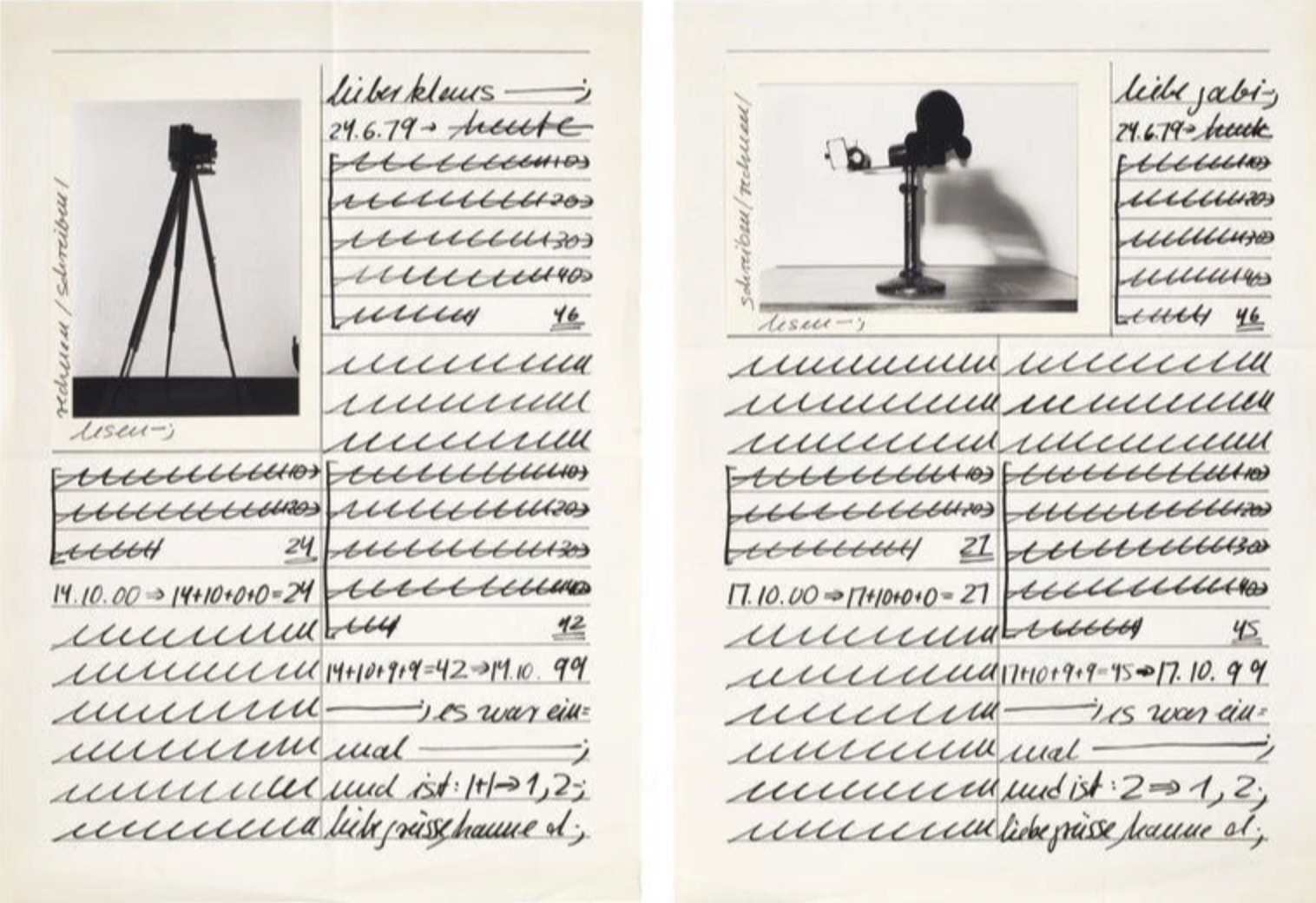
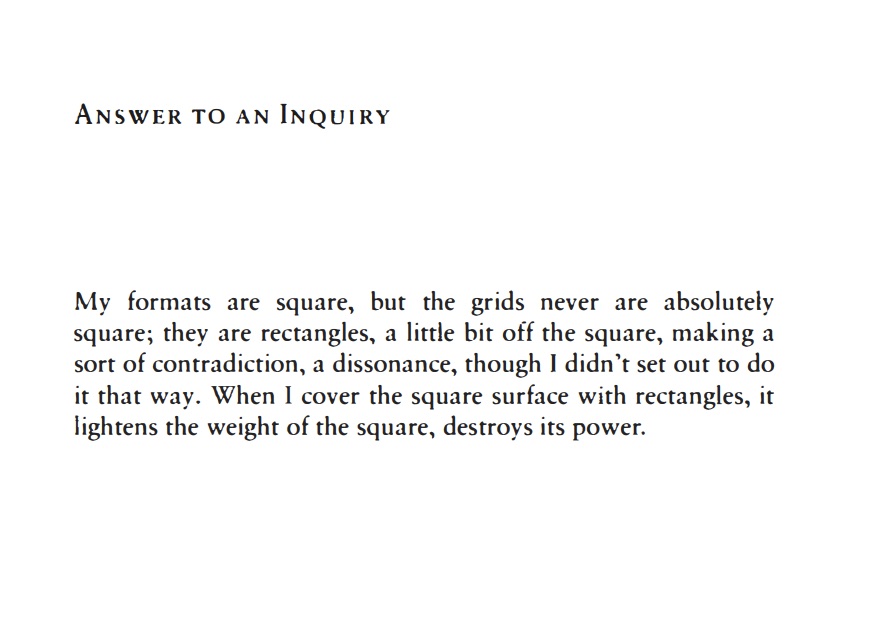
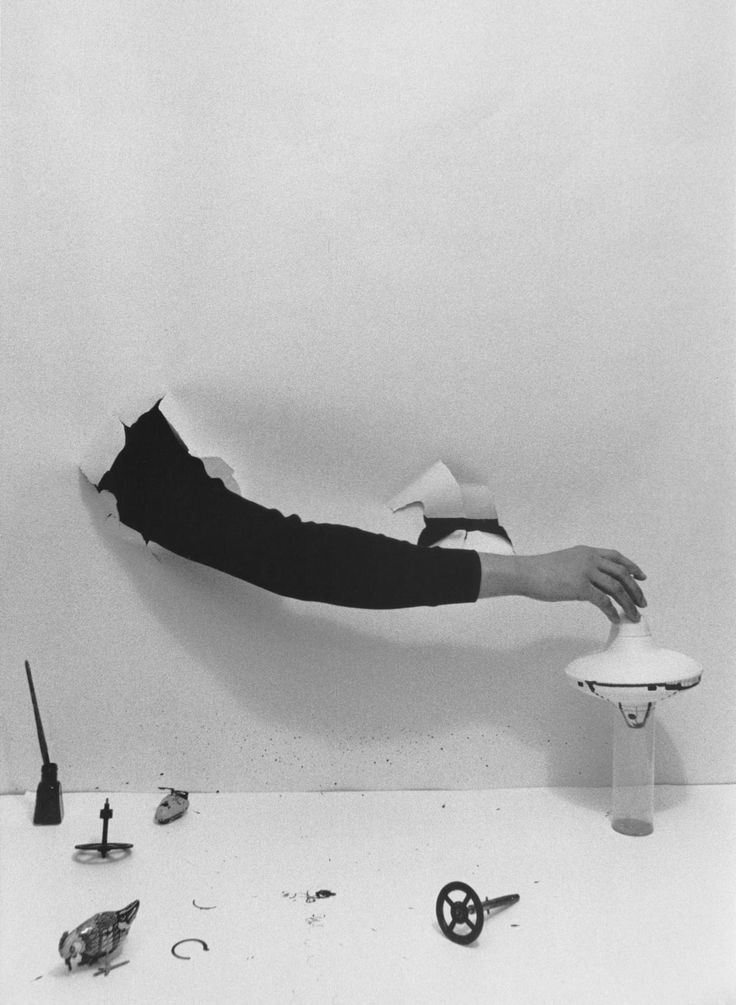
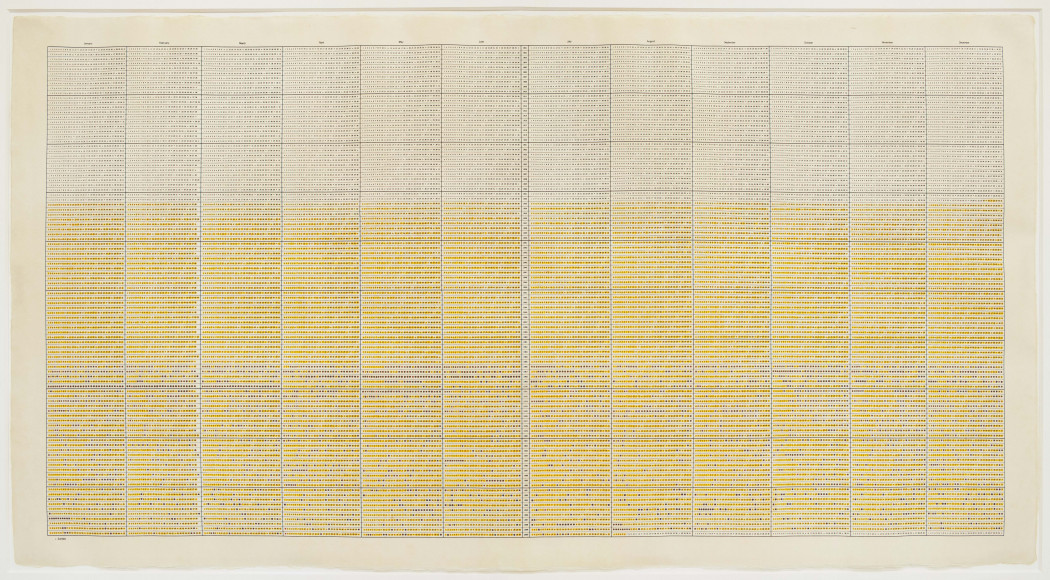
This reframing of attention as receptivity rather than mastery resonates with the material intelligence practiced across A Small Chain of Commitments. Agnes Martin spoke of grids that were never quite square — rectangles making a dissonance she did not intend. The admission is radical: that form arrives through practice, not plan, and that attending to imperfection is its own kind of freedom. Hanne Darboven notated time as arithmetic, each day a line, each line a commitment to the practice of recording — not understanding but attending, building a future from the accumulation of disciplined attention. Milan Grygar's Tactile Drawing (1969) insists that the body must force its way into the still life, disrupting the arrangement in order to touch — attention as physical urgency, the hand as the first instrument of knowledge.
Sheila Heti, also writing in Kismet Magazine, argues that the mystical exists outside of story — that it has no beginning or end, cannot be narrated within the causal frameworks of journalism or institutional discourse, and that this structural exclusion impoverishes the very language available for collective experience. Heti's longing for a mode of writing closer to channeling than to reportage echoes the contemplative receptivity Kotva describes and the attentional commons Oliveros practiced. What these positions share is a refusal of speed as the condition of legibility — an insistence that what matters most cannot be accelerated into comprehension but must be attended to at the pace it sets for itself.
World-Making at the Pace of Faith
Francis Alÿs, in When Faith Moves Mountains (2002), staged five hundred volunteers displacing a sand dune by four inches with shovels — maximum effort for minimum result. The disproportion is the point. Alÿs does not offer the gesture as metaphor; he offers it as practice, enacted collectively and without the expectation that outcome will justify effort. Solidarity here is absurdist commitment: the shared willingness to show up for a task whose futility is visible from the start but whose meaning lives entirely in the act of showing up together. This is world-making at the pace of faith — the future moved one shovel-length at a time.
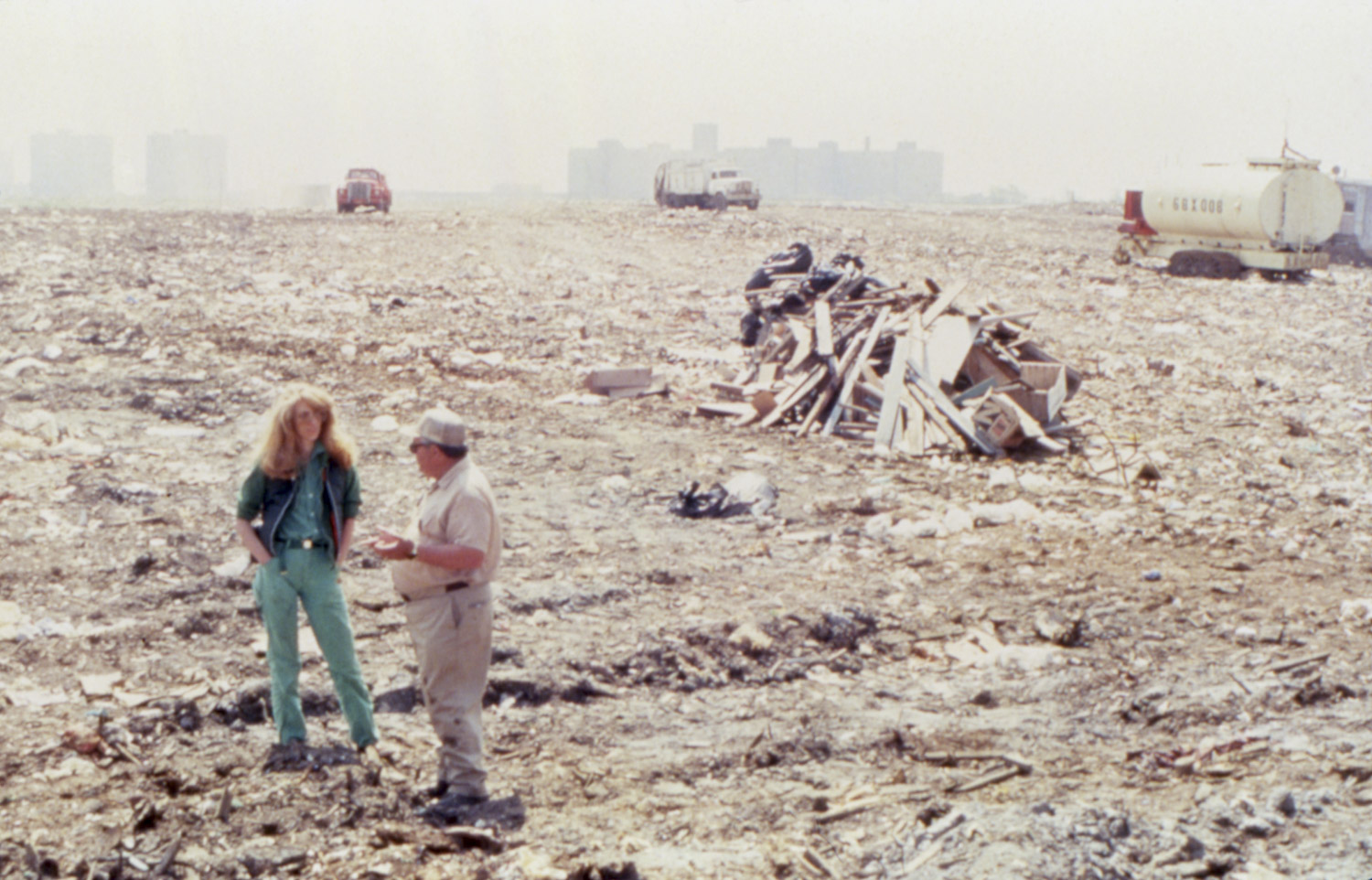
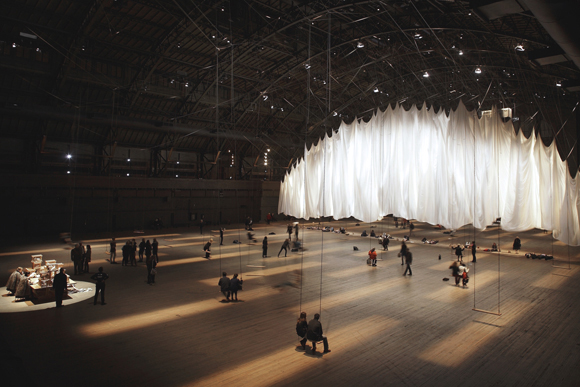
Mierle Laderman Ukeles's Touch Sanitation Performance (1979–80) operates within a similarly exhaustive temporal ethics. Over eleven months, Ukeles shook the hand of every sanitation worker in New York City — 8,500 handshakes, each greeting the same and each singular. The world Ukeles constructs is made of recognition: the slow, deliberate labour of making visible what the city depends on and structurally refuses to see. Ann Hamilton's the event of a thread (2012–13) extends this logic of connection into the spatial and the anonymous, filling a vast room with swings whose motion displaced cloth for strangers at the other end of the armory — solidarity felt before it is understood, existing only as long as strangers keep moving together. On Kawara counted every day of a century — not lived but imagined — a solidarity with people not yet born, with time not yet arrived. The calendar is a score for futures we cannot inhabit, and the world it constructs is made of counting forward past one's own death, insisting that the days will continue.
Both Endings Are the Same Score
Derek Jarman filmed nothing — only a single field of International Klein Blue for seventy-nine minutes while his voice narrated his dying. The screen gives you nothing to look at and everything to hear. Jarman made a film for the body that was losing its sight — a world built entirely from colour and voice when the image could no longer hold. Freedom here is what remains after the visible is taken away: the blue is solidarity with what persists.
Alvin Lucier recorded his voice, played it back into the room and recorded that, repeating until his words dissolved into the resonant frequencies of the architecture itself. The stutterer's speech disappears into pure tone. What the room builds from the ruins of language is a new commons — a world made not by the speaker but by the space that held him. Freedom here is the voice released from the burden of saying, allowed at last to simply sound.
A Small Chain of Commitments proposes a score in four movements: proximity, synchronization, silence, offering. Find someone in the room you do not know. Stand at the distance you would normally keep. Close it by half. Wait until the discomfort becomes something else. The score asks nothing that the body cannot do, and everything that the body resists doing — the willingness to approach, to synchronize, to sustain silence, and finally, to offer without certainty that the offering will be received. Both endings — the hand taken, the hand withdrawn — are the same score. The chain holds only if no link is skipped, and collapses the moment either person rushes.
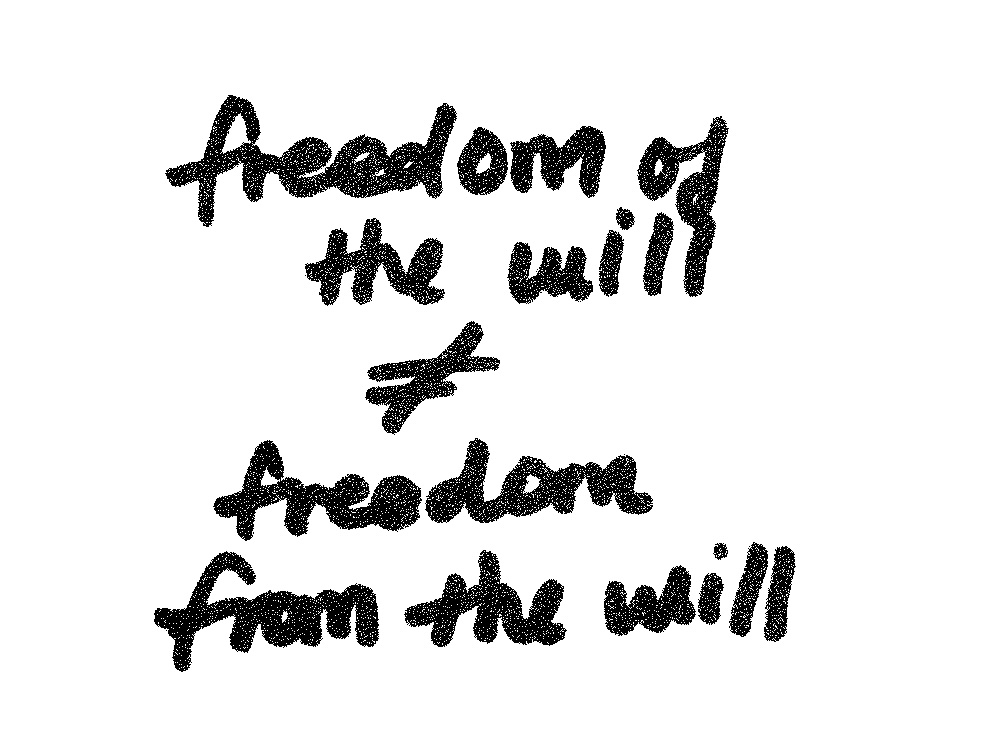
Freedom of the will is not freedom from the will. To act freely is not to be unburdened but to choose the weight — to attend, to remain, to build solidarity not despite constraint but through it. The tempo the slowest body sets is not a compromise. It is the only tempo at which the collective can move without leaving someone behind, and the only tempo at which attention, genuine attention, becomes possible.
A reading and score performance will take place on April 18, 2026 at Tender Prospects, Travessa da Paz 17A, 1200-759 Lisboa.